




Where the moon sets in Tianshan Mountains, fireworks come to sing | Xinjiang Spring Flower Hunting Journey of Cattle and Horse Travelers
Day 1: Urumqi gathers, temporarily bidding farewell to "Banwei"
On the event gathering day, everyone arrives at the Oriental Dynasty Hotel in Urumqi one after another. The moment you put down your luggage, it seems that you have also unloaded the burden of work.
Located in the center of Asia, the capital of Xinjiang, Urumqi is a blend of exotic and modern atmosphere. It is a world-famous hometown of song and dance, a hometown of fruits and fruits, and a state of gold and jade. My colleague recommended it to me before. If you want to learn about the humanities and history of Xinjiang, you can first promote [Xinjiang Museum] (free, only in and out at 18:00 pm; closed on Mondays); if you want to feel the exotic atmosphere, you can go to [Erdaqiao International Grand Bazaar], where the unique Western Regions culture, a dazzling array of goods, maybe you can find a lot of good goods. And Xinjiang has a variety of cuisine, famous for its large plate chicken, roast lamb chops with outer burnt and inner tender, roast lamb skewers, Yili horse intestines, special pasta, etc. It is worth a try. The sunset time in spring is generally 21:00, and Urumqi is still very lively under the night sky. You can also go to the Grand Bazaar Night Market to eat.
The next day: "Huozhou" Turpan feels the heat and vicissitudes
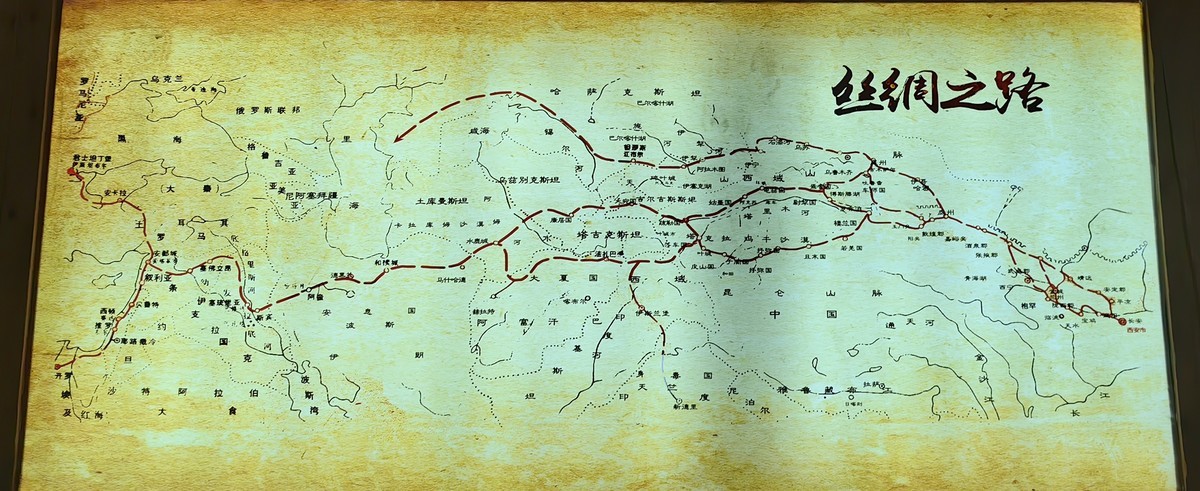
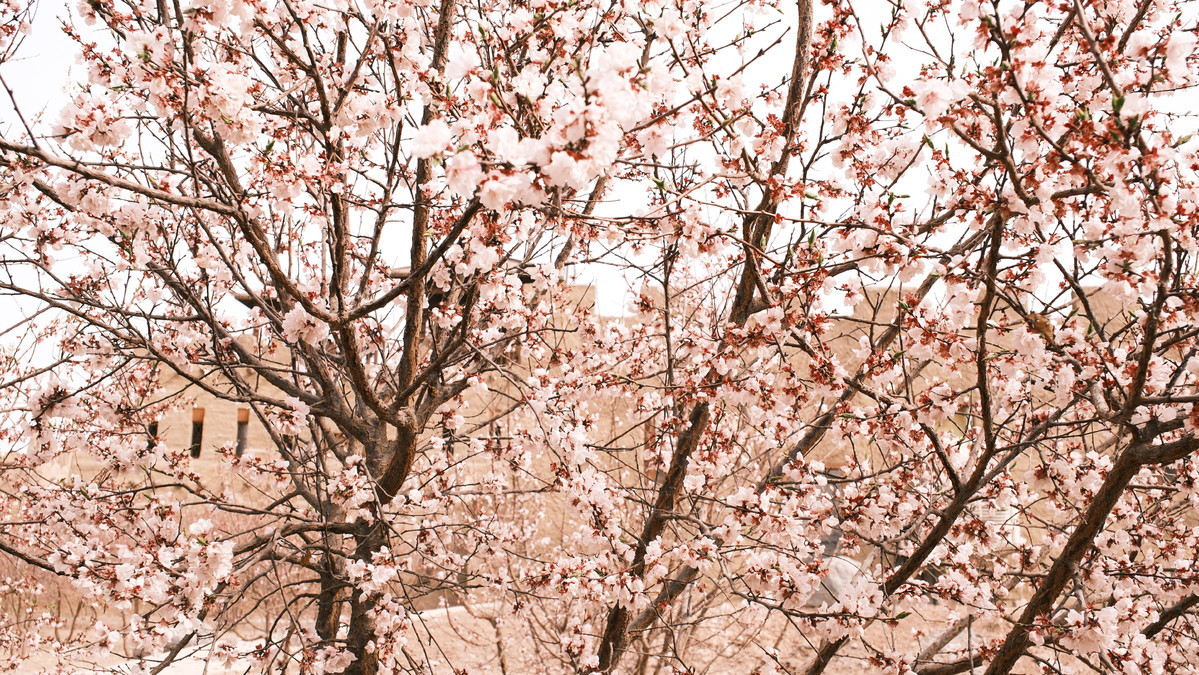
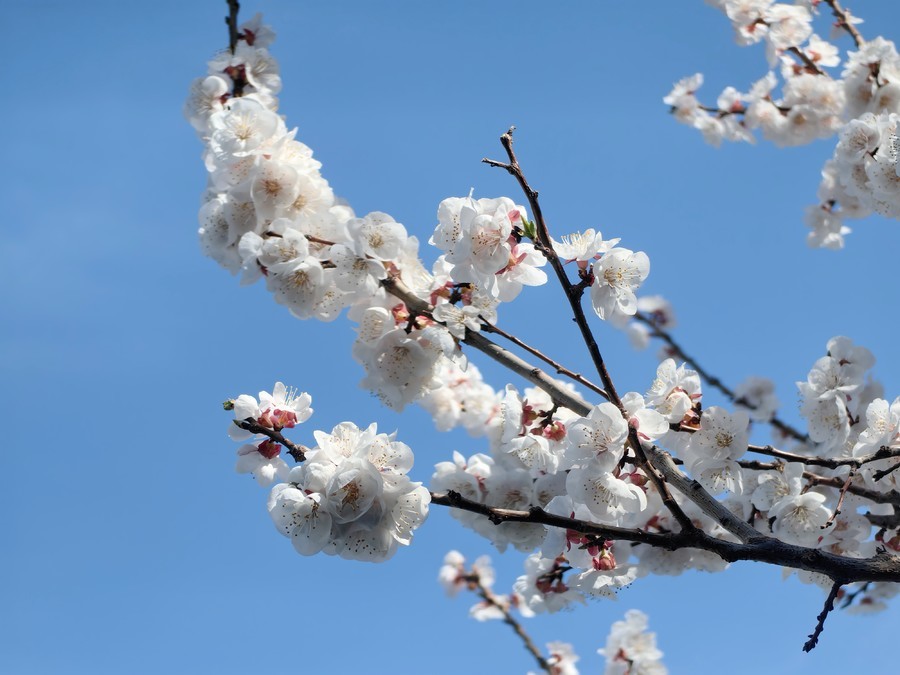
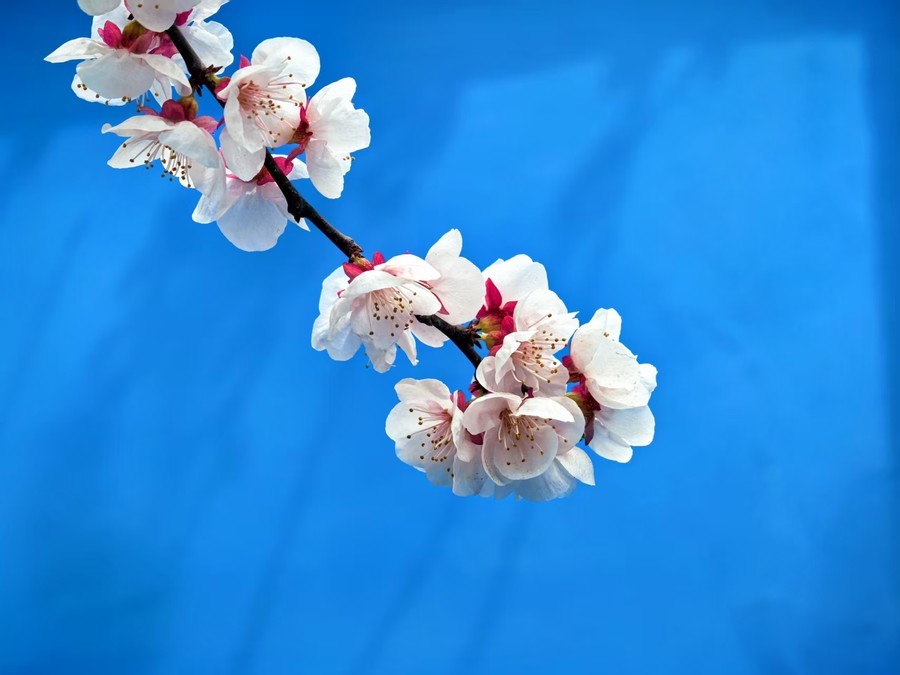
"The grapes of Turpan are not yet ripe, but the enthusiasm of Turpan is still ❣️" After breakfast, we set off for Turpan. Turpan is known as "Huozhou" and is one of the places with the highest summer temperatures in our country. The terrain here is low-lying and surrounded by mountains, and the heat is not easy to dissipate, creating a unique hot climate. As soon as you step into this land, the heat wave will come, but the apricot flowers on the roadside are blooming warmly, and the pink petals dance in the wind, adding a bit of tenderness to this hot earth.
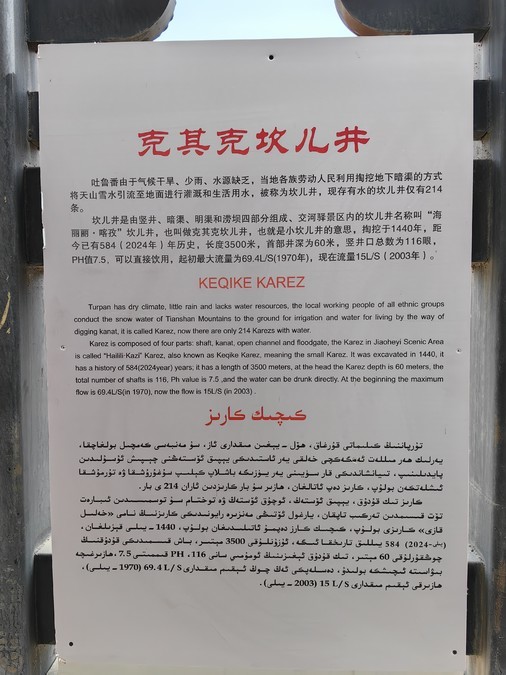
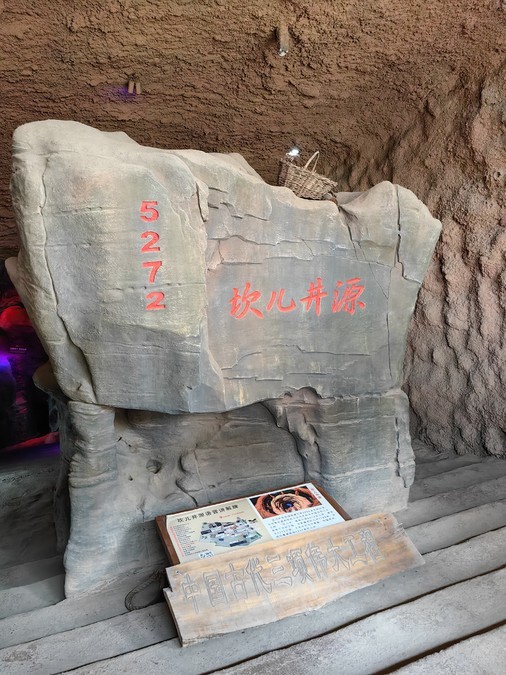
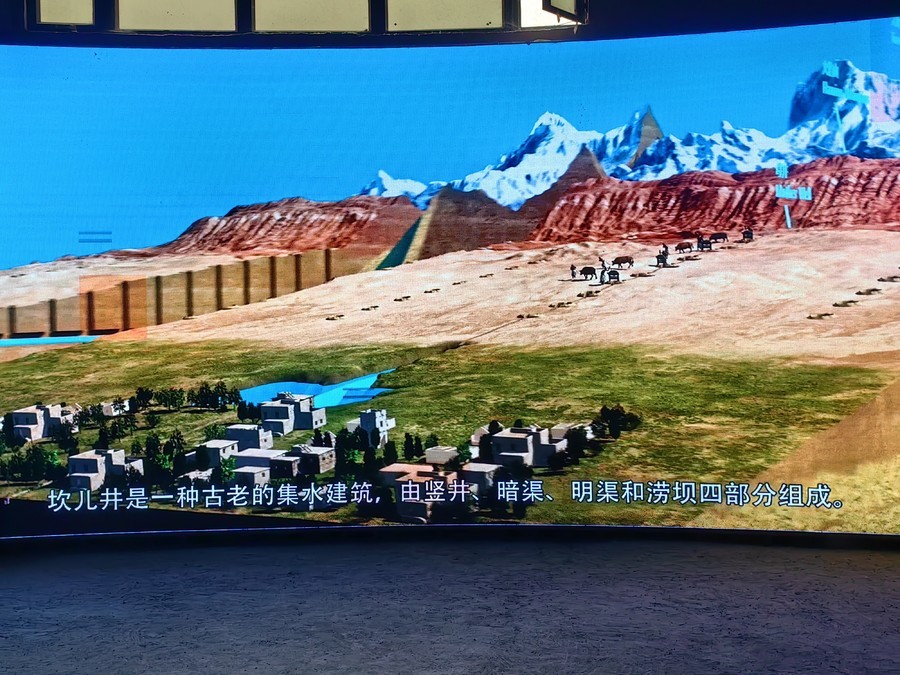
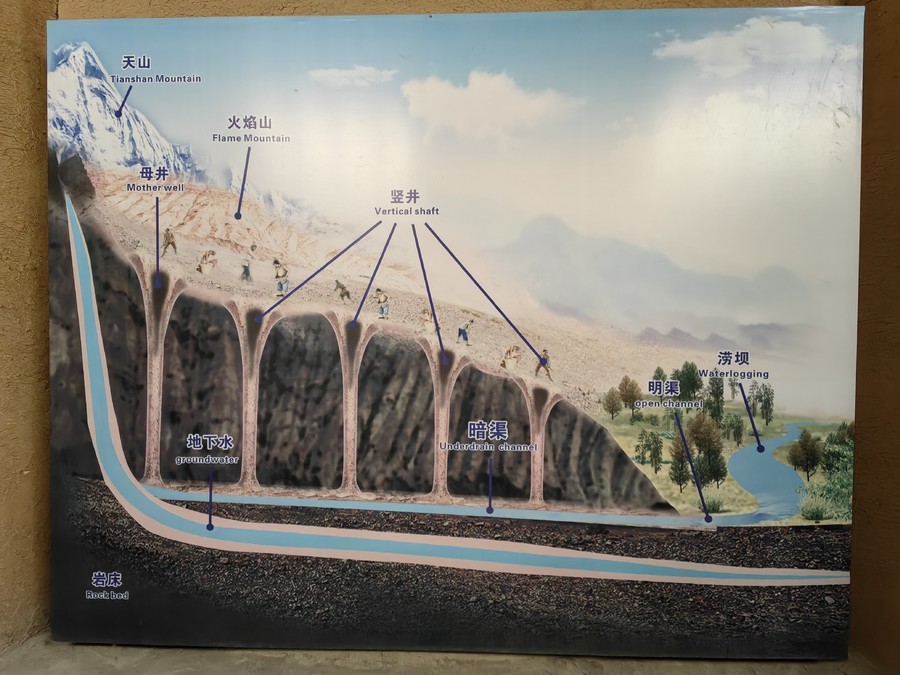
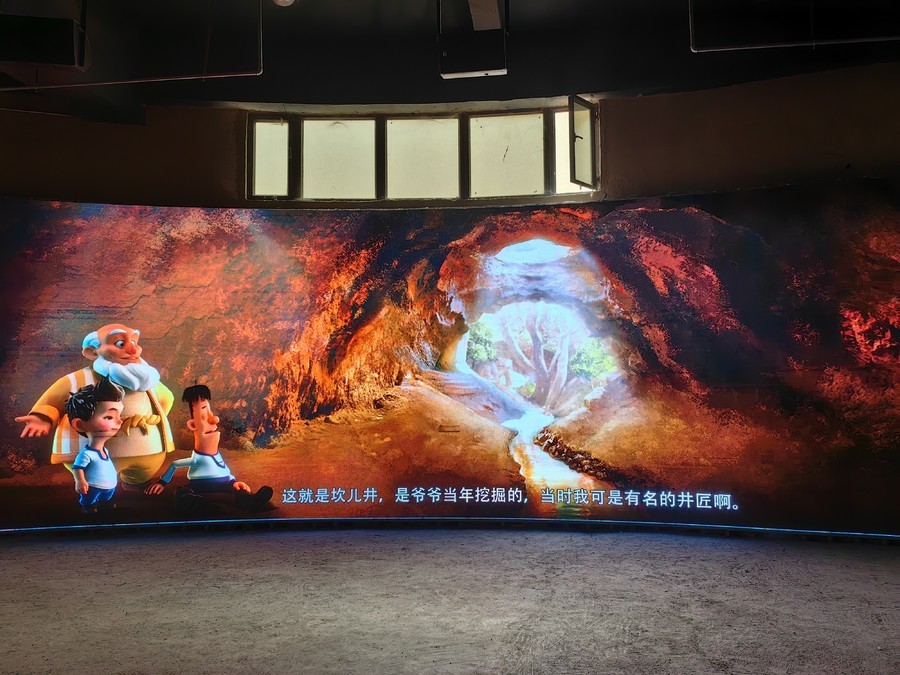
Karez is deeply hidden in the wisdom of the working people. It can be called one of the three major projects in ancient China. It is as famous as the Great Wall of Miles and the Beijing-Hangzhou Grand Canal. It is an underground water conservancy irrigation project created by the ancient Turpan people, which cleverly makes use of the local topography and hydrological conditions. Walking into the karez, the cool water vapor instantly wraps the body, forming a sharp contrast with the heat outside. The winding underground culvert, like the blood of the earth, nourishes this arid land. The tour guide introduced that the karez is composed of four parts: shafts, culverts, open channels and waterlogged dams. The ancients dug shafts to locate and ventilate. The culverts led groundwater to the ground, and the open channels were used for irrigation. The waterlogged dams played the role of water storage. We are overwhelmed by the ingenuity of the ancients. They used the most primitive tools to create this great water conservancy project.
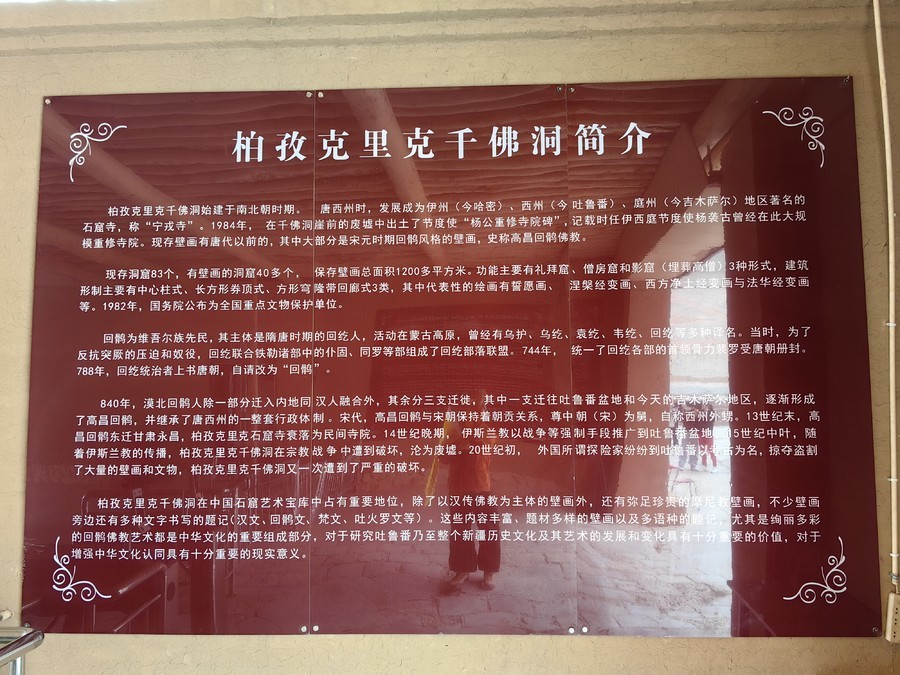
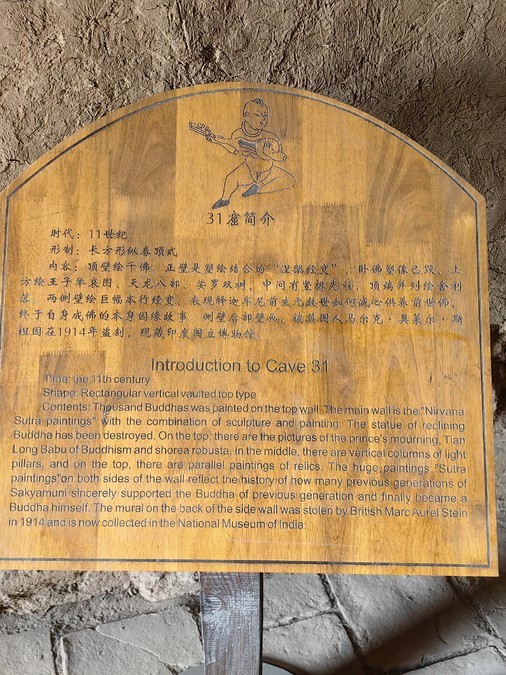
Thousand Buddha Caves opened six caves. Stepping into them, a sense of historical heaviness came. The murals in the caves are rich in content, including Buddhist stories, characters, etc., with gorgeous colors and smooth lines. Although many places have been mottled and badly damaged after years of erosion and man-made damage, the exquisite beauty of the past can still be seen. What's more annoying is that a large number of cultural relics have been scattered abroad. Thinking of those treasures that carry Chinese civilization wandering abroad, my heart is full of regret and anger.
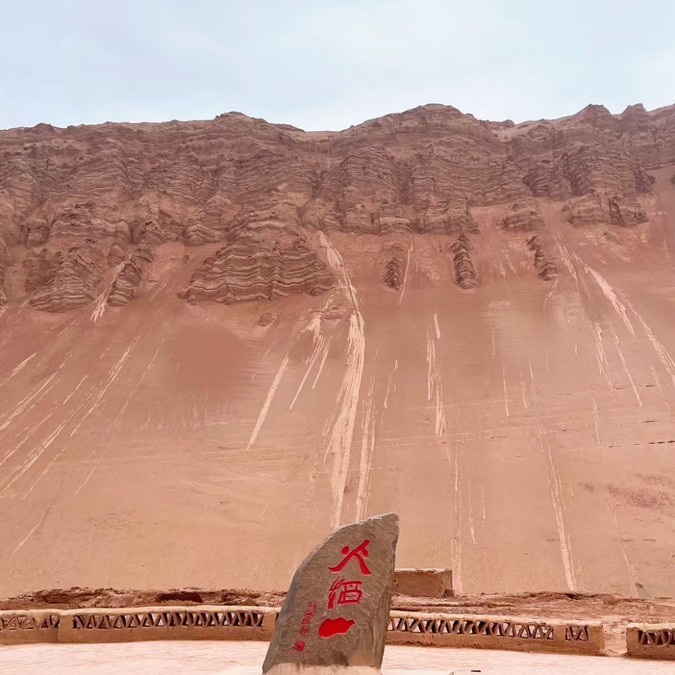
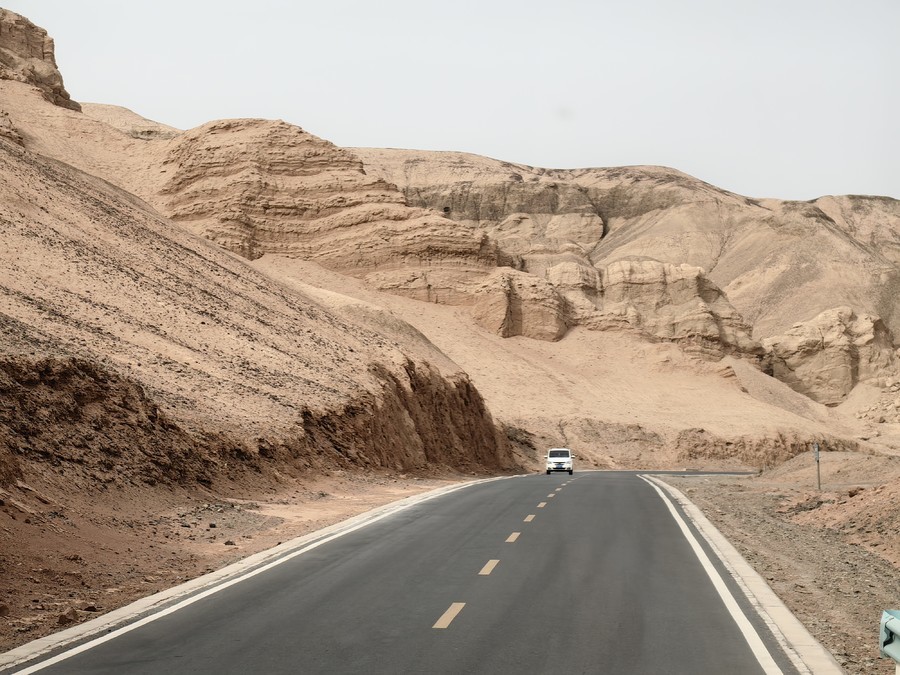
Flaming Mountain is named after the red mountain, which looks like a burning flame under the scorching sun. We came to the back mountain of Flaming Mountain, which is an excellent photo location. The red mountain glows under the scorching sun, like a burning fire fortress. Standing on the back mountain, with Flaming Mountain as the background, it is a blockbuster.
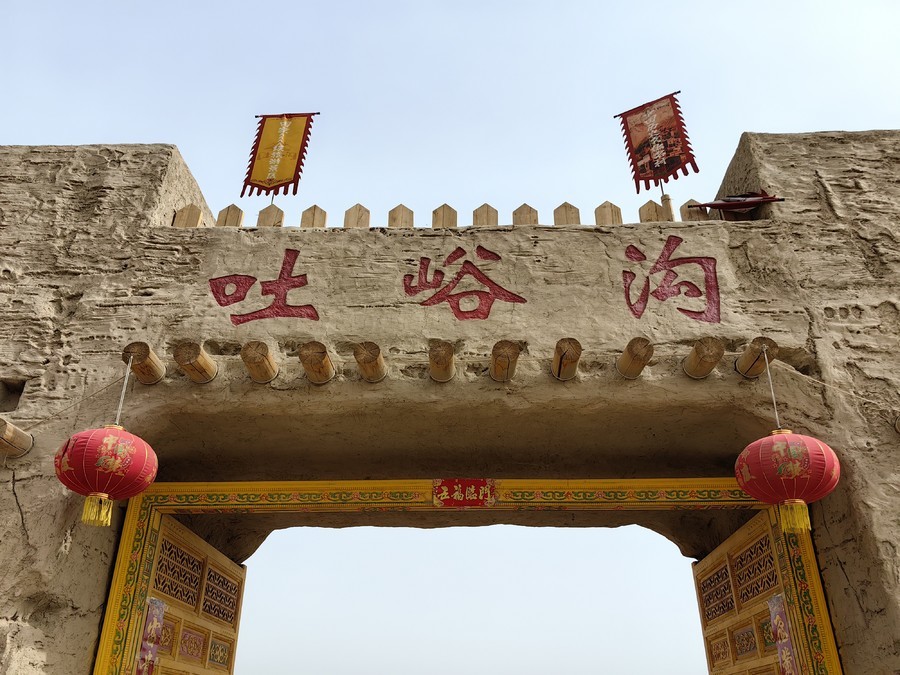
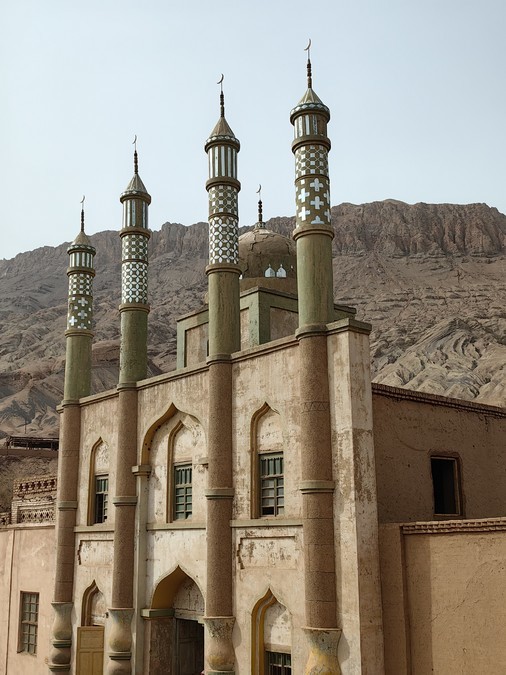
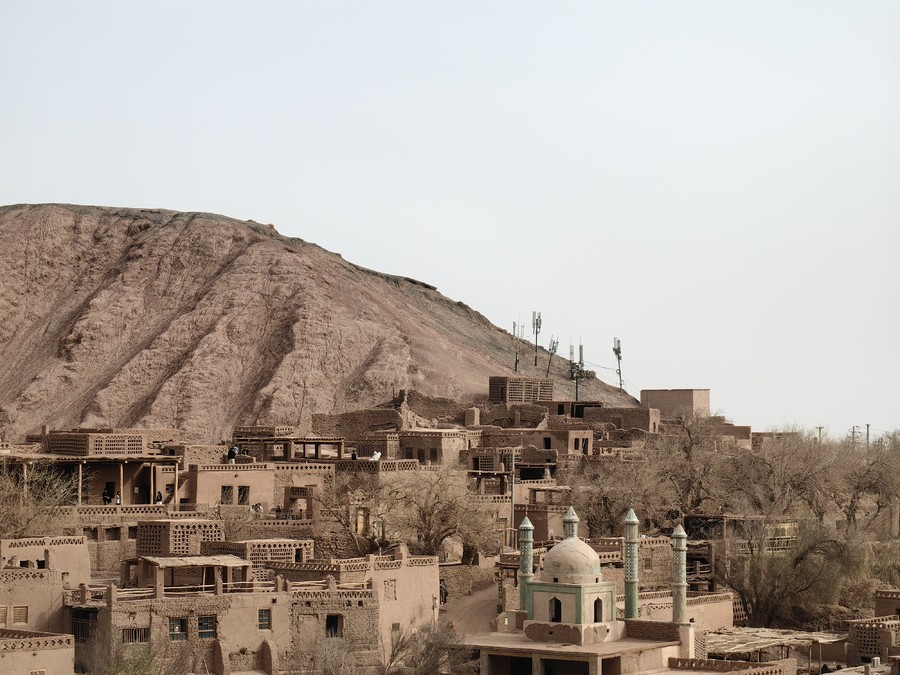
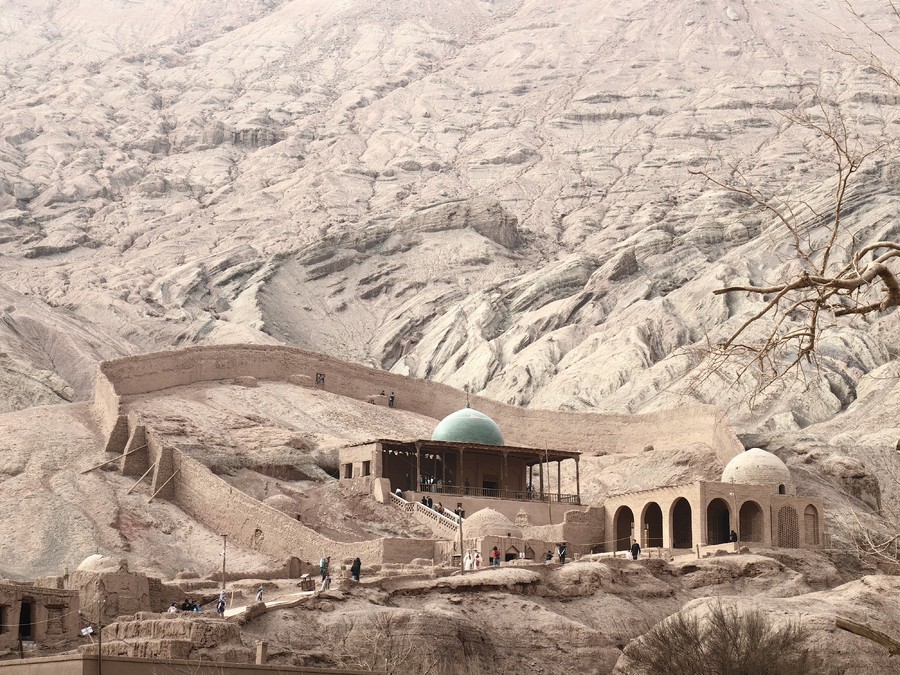
Mazar Village in Tuyugou is one of the oldest Uyghur villages in Xinjiang. The scenic area is under repair and dusty, and the village looks more dilapidated than in the previous two years. But it is also because of this that it is even more ancient and primitive. The ruins tell the story of the years, as if telling us about the prosperity and vicissitudes of the past.
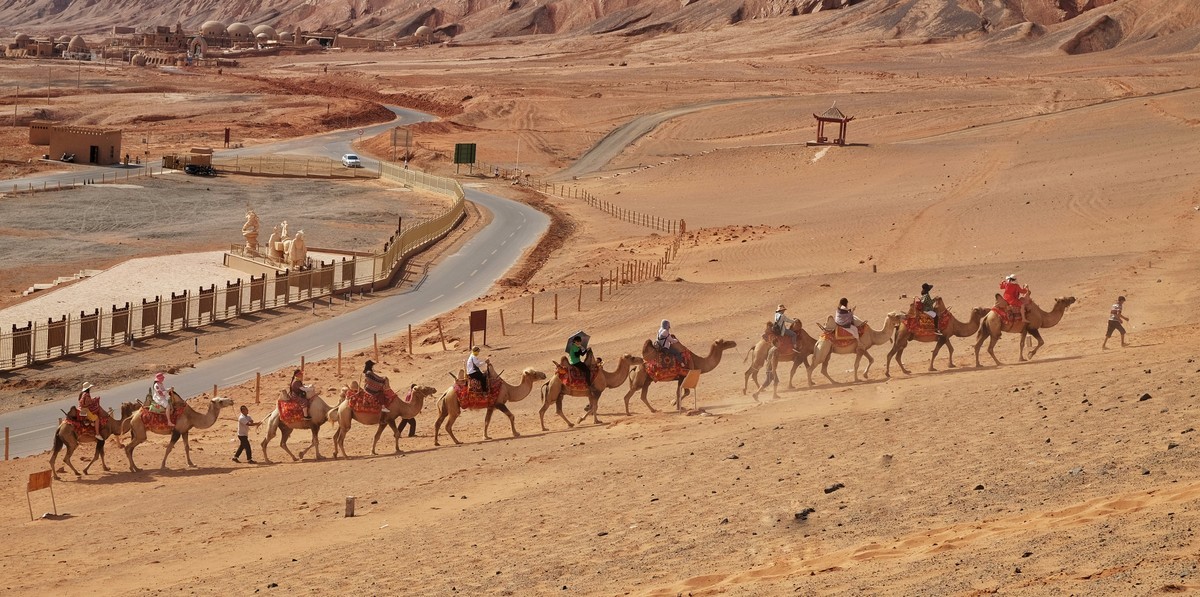
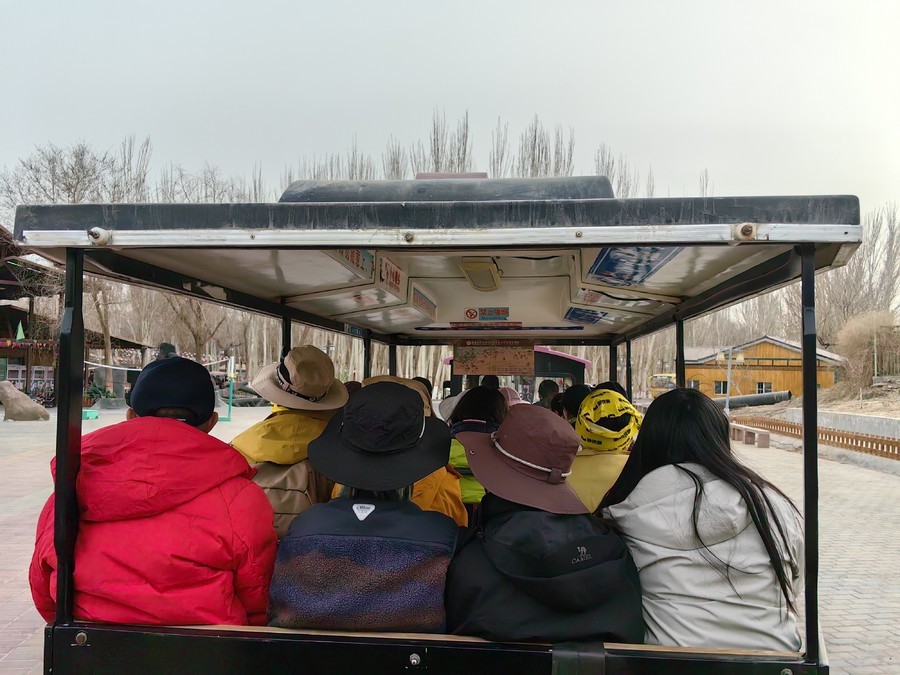
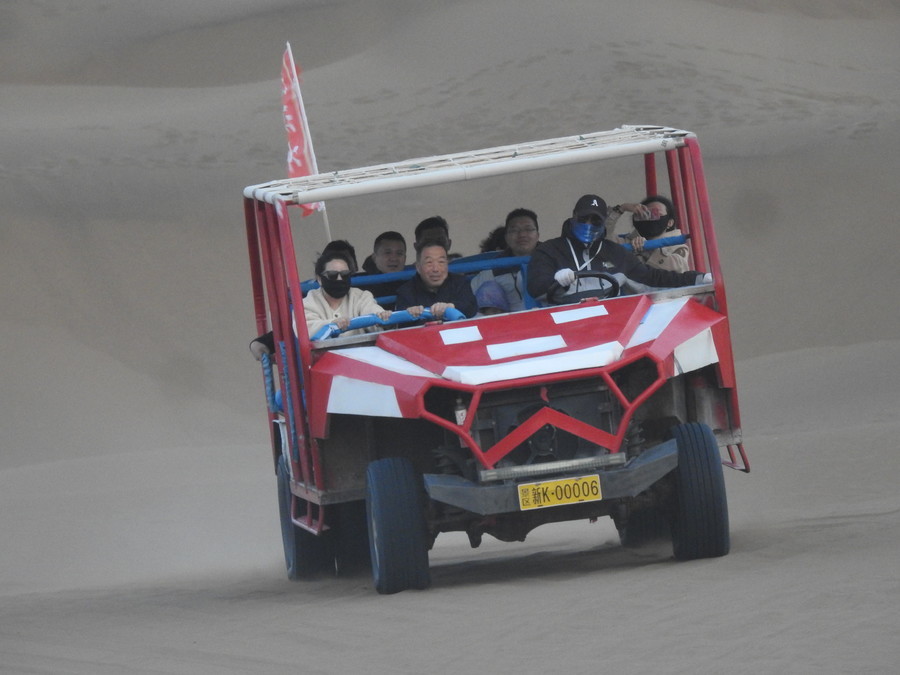
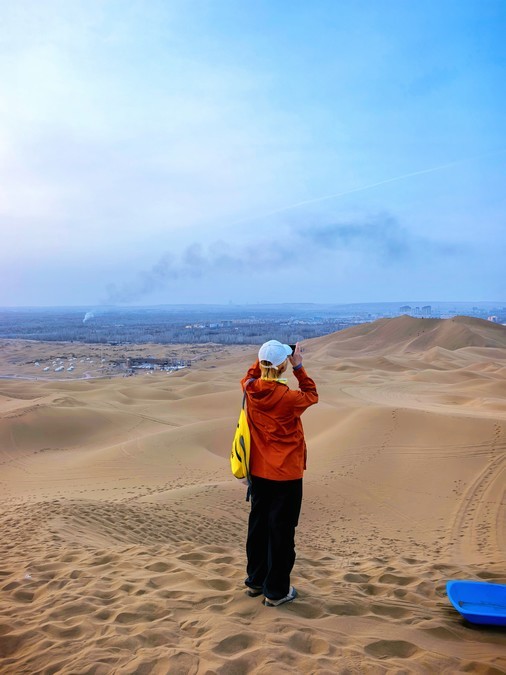
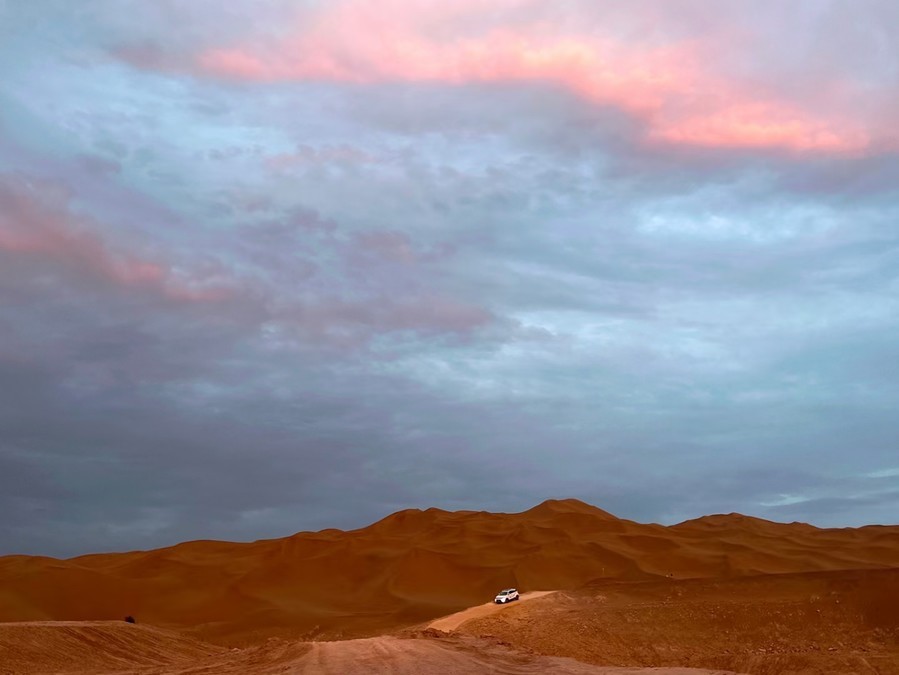
The Kumtag Desert is the only desert in the world that is connected to a city. It is the meat festival, and the scenic area is full of people, and there is a long queue for Jingjiao. We got on an off-road vehicle, bumped through the desert, and drove towards the depths of the desert. As the vehicle bumped, the crowd gradually disappeared, and only the howling wind and the rustling of wheels crushing the sand were left in our ears. Standing on the sand dunes, the desert is endless, and the troubles and pressures in the heart are also scattered with the wind and sand.
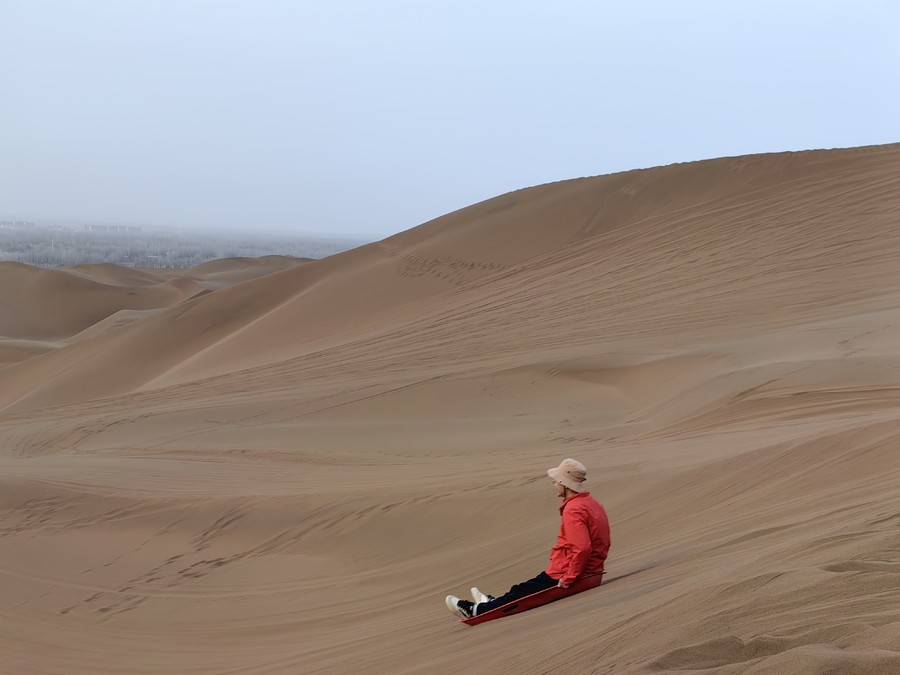
If you come by car, it is recommended to bring a sandboarding board to find a wild desert to play, and by the way squat in the desert sunset 😸, when the sunset dyes the sky orange red, the desert is also covered with a layer of golden gauze, the scene will be breathtaking.




Day 3: Encounter the Magnificence of Anjihai Grand Canyon
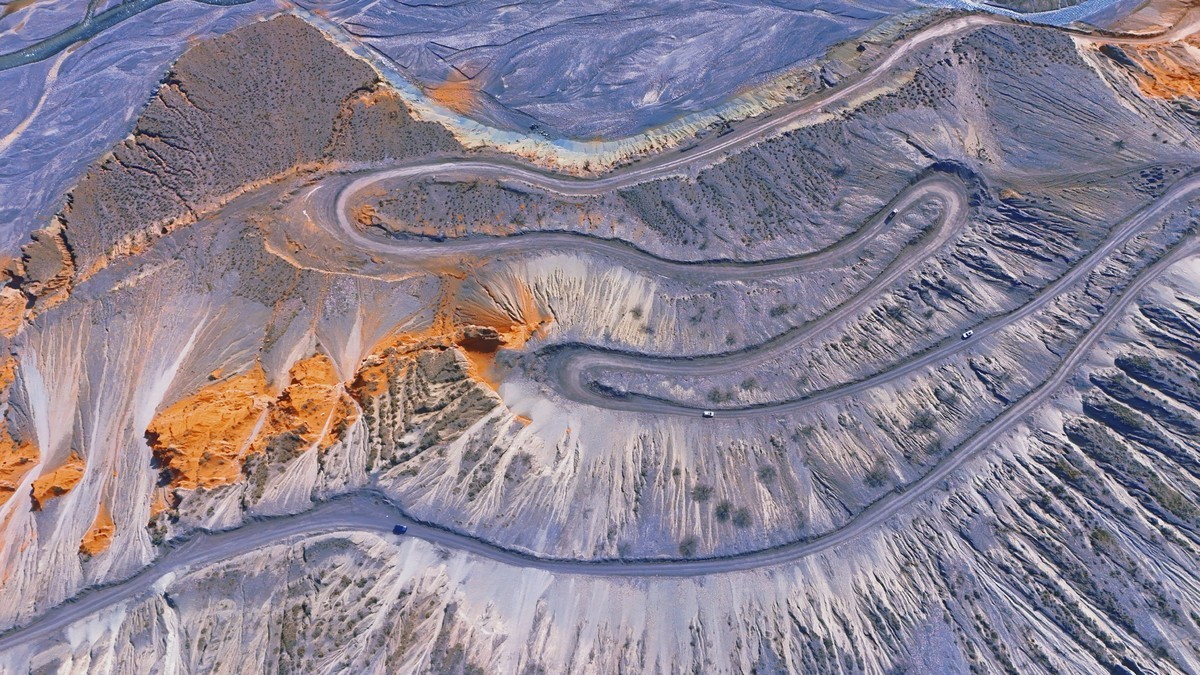
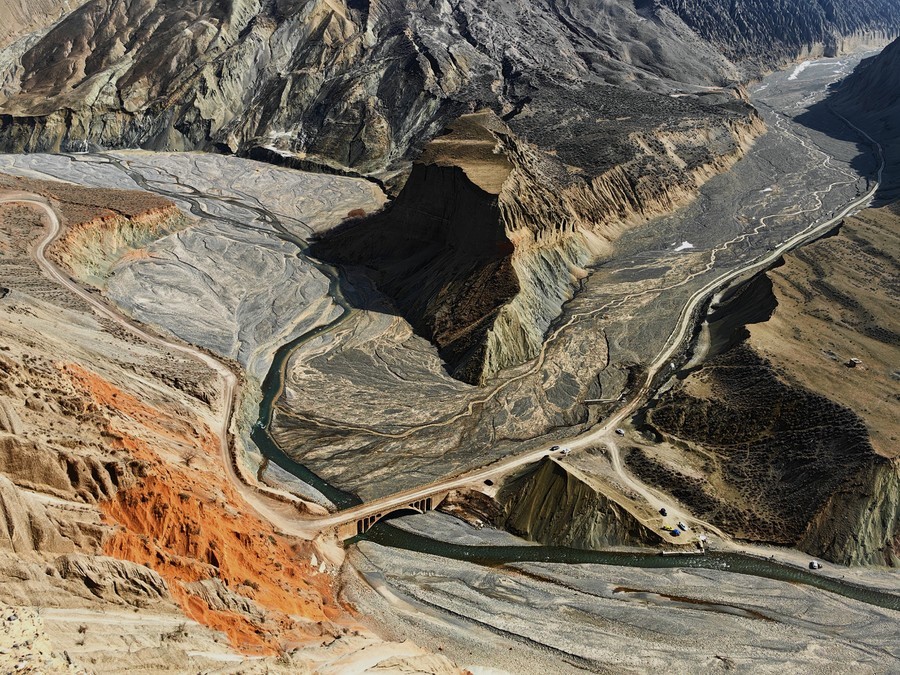
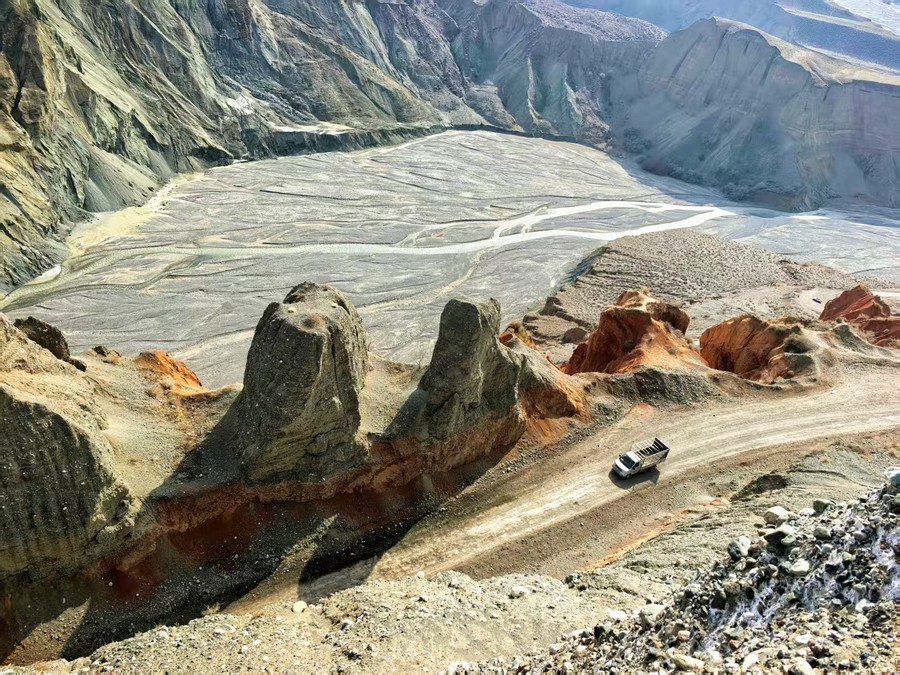
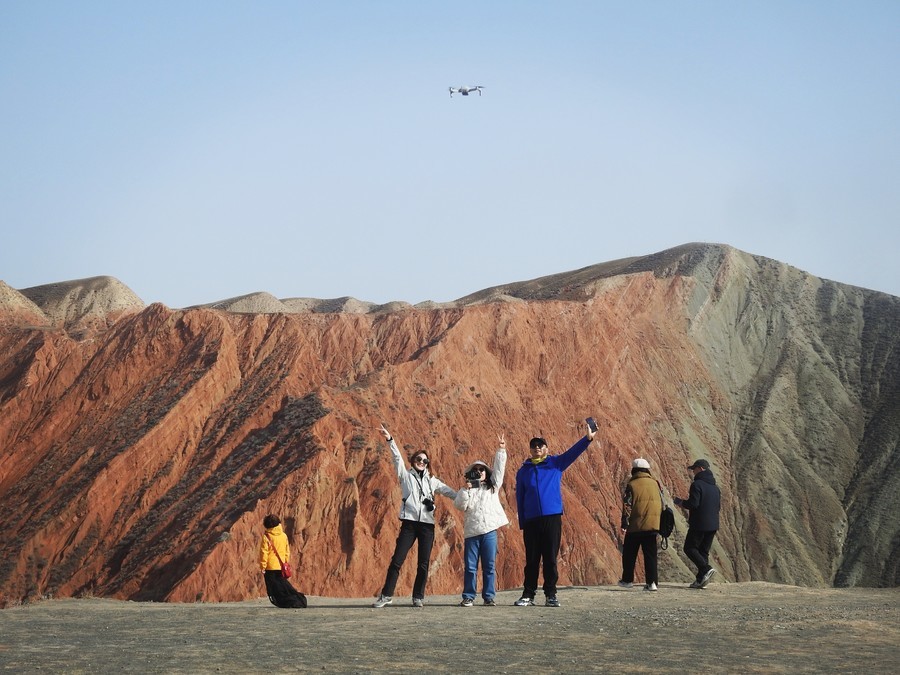
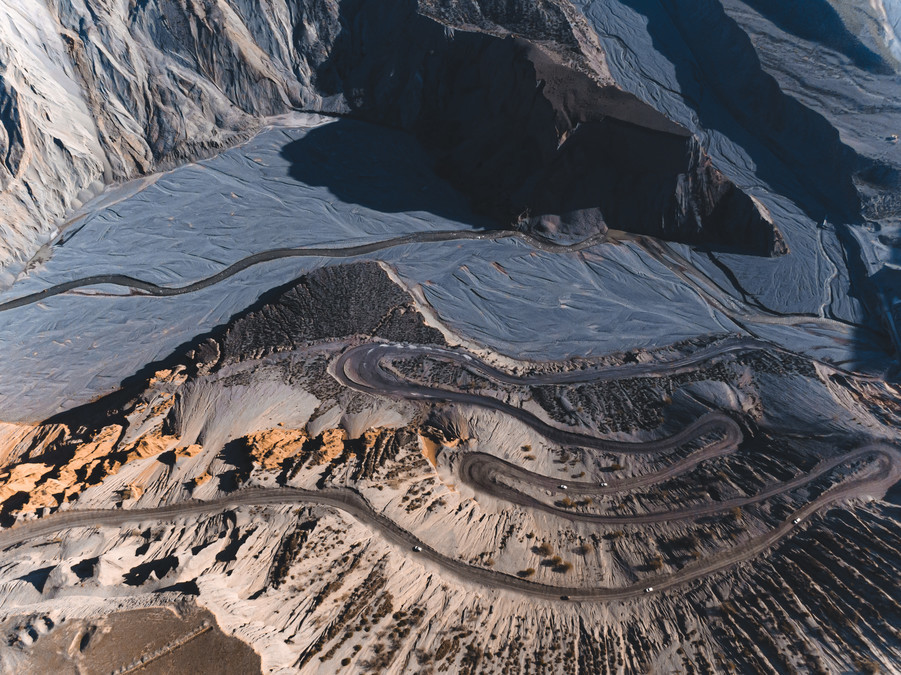
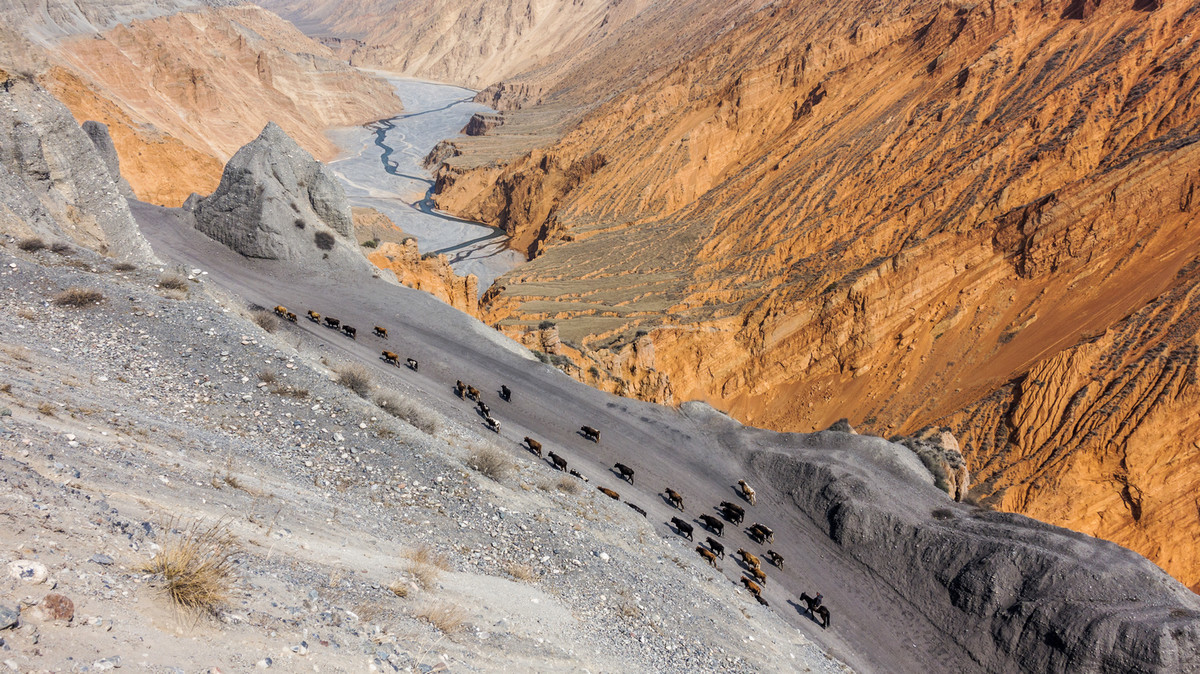
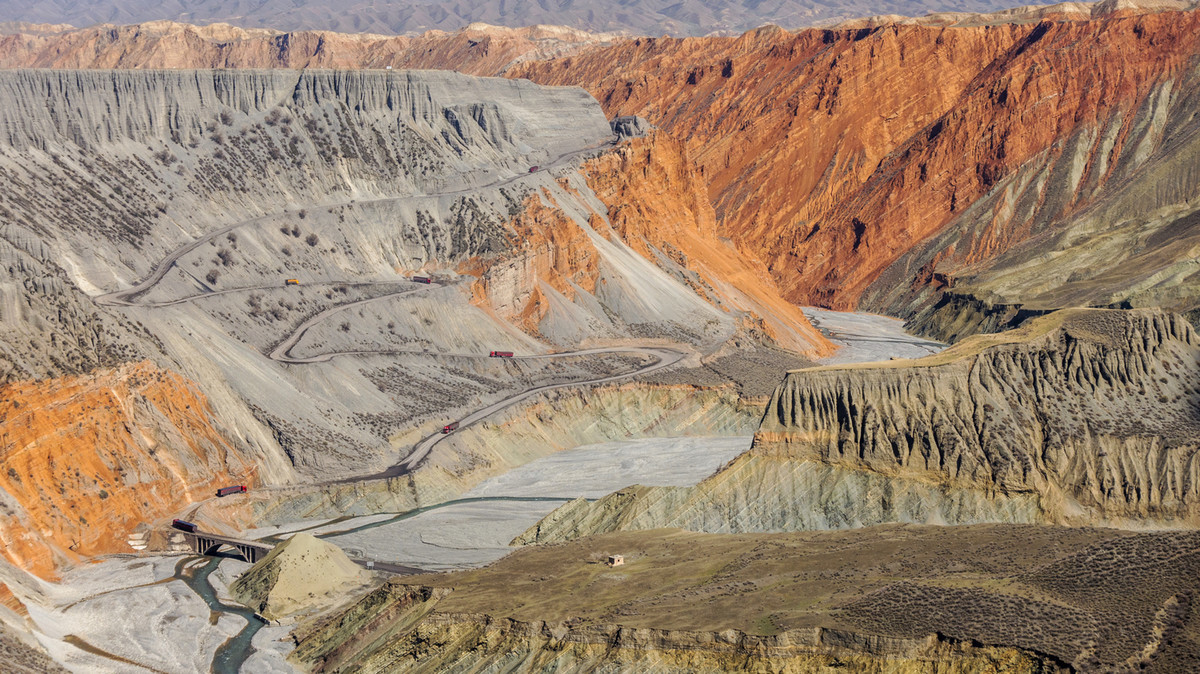
From Shan Good start, we went to Kuitun. We ushered in another surprise of this trip - Anjihai Grand Canyon. Anjihai Grand Canyon belongs to the original Danxia landform and has not yet been fully developed into a paid scenic spot. Standing on the edge of the cliff, the scenery in front of you is shocking. The canyon is deep, the cliff walls are steep, and the red mountain and green river are intertwined, like a palette of the earth. There is a certain danger on the edge of the cliff, and we carefully watch this masterpiece of nature. It is this raw and thrilling experience that makes Anjihai Grand Canyon more unique. Everyone is nervous and excited, some people are holding professional cameras, constantly searching for the best shooting angle; some people are flying drones and starting to create aerial blockbusters; and I just want to sit quietly and feel the wind whistling past my face and body.
At this moment, the world is at my feet, and I am completely and absolutely in charge of me.



Day 4: Indulge in the dreamy blue ice of Sailimu Lake
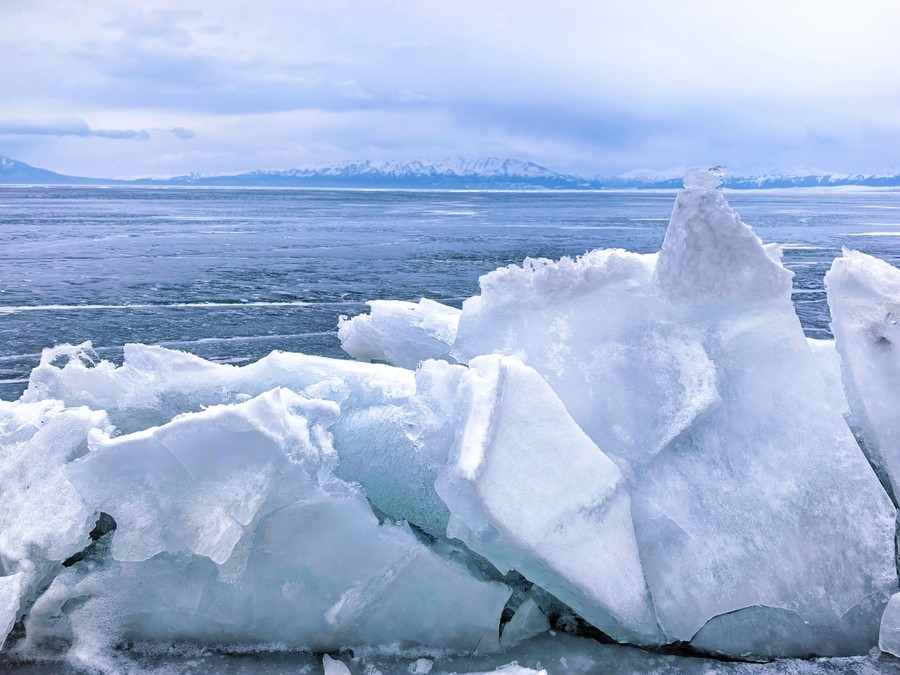
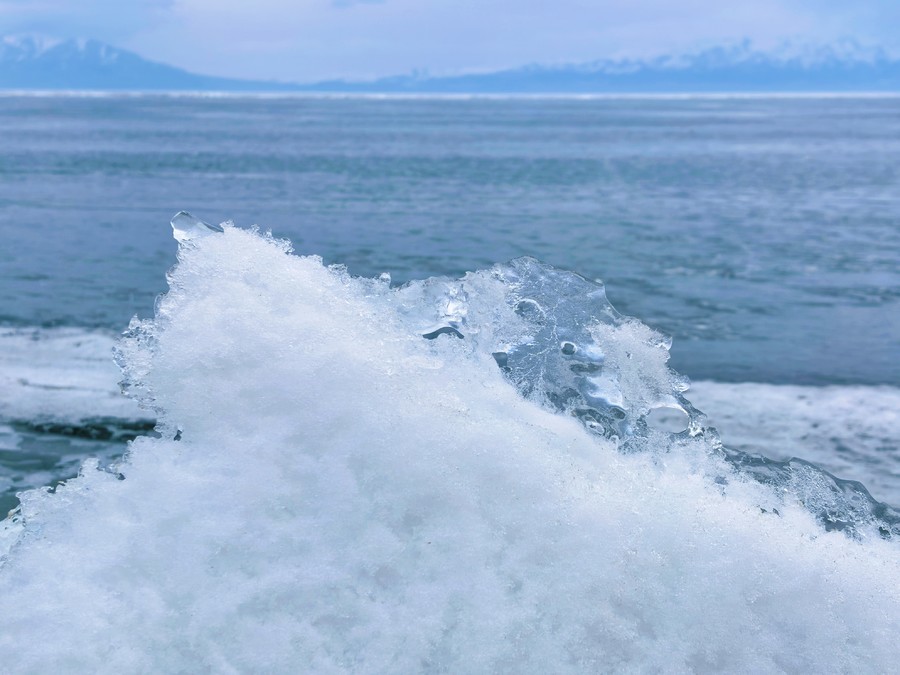
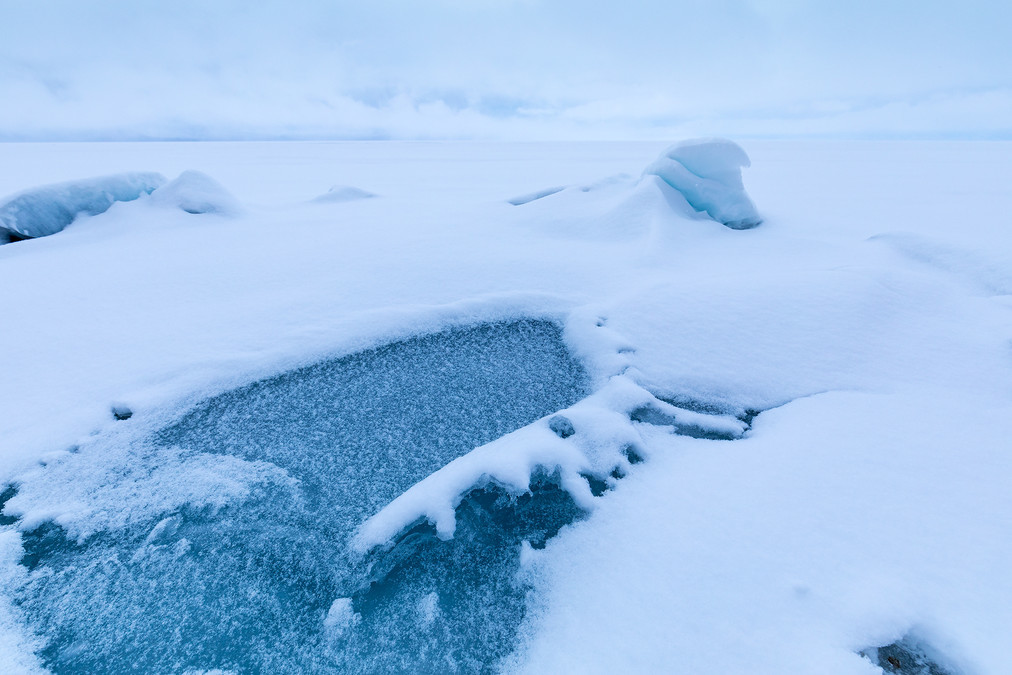
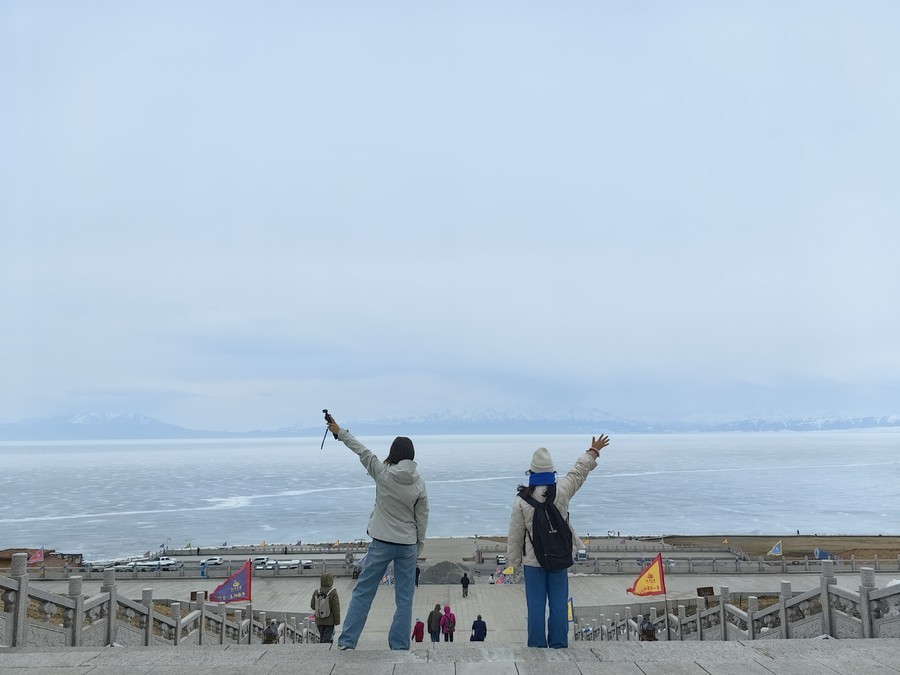
The blue ice of Sailimu Lake has not yet fully melted 🧊 I would like to come once every season!
Sailimu Lake has the reputation of "The Last Tears of the Atlantic Ocean". According to legend, this is the last place where the warm and humid air of the Atlantic Ocean will visit, so the lake water is particularly clear and blue. From a distance, Sailimu Lake looked like a huge sapphire inlaid on the ground, and the blue ice that had not completely melted floated on the lake surface, reflecting each other with the sky, forming a dreamlike picture.
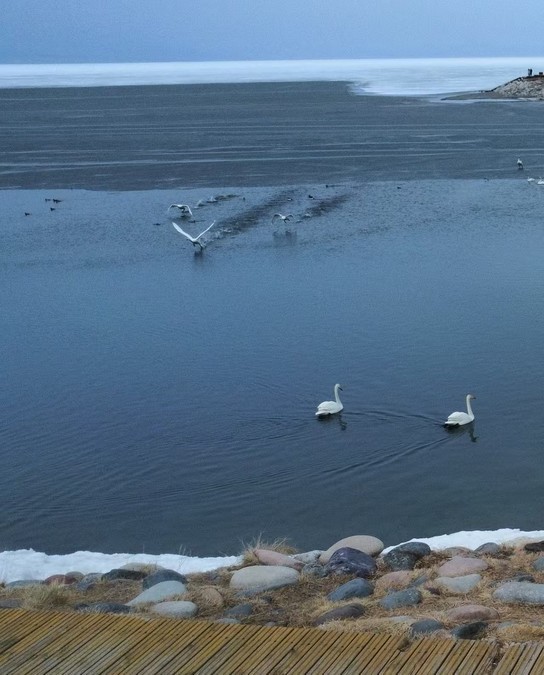
Walking along the lake, the station told ancient legends in the howling wind, as if you could see the heroic appearance of the soldiers of the past; the swans of Koehler's beads played leisurely in the water, and their white figures were reflected on the sparkling water, adding a bit of interest to the lake and mountains. On the lake shore mountains, the moss snowfield and snow ridge spruce spread out in succession. The moss covered the snowfield like a soft blanket, and the snow ridge spruce stood quietly like a silent guard in the years.
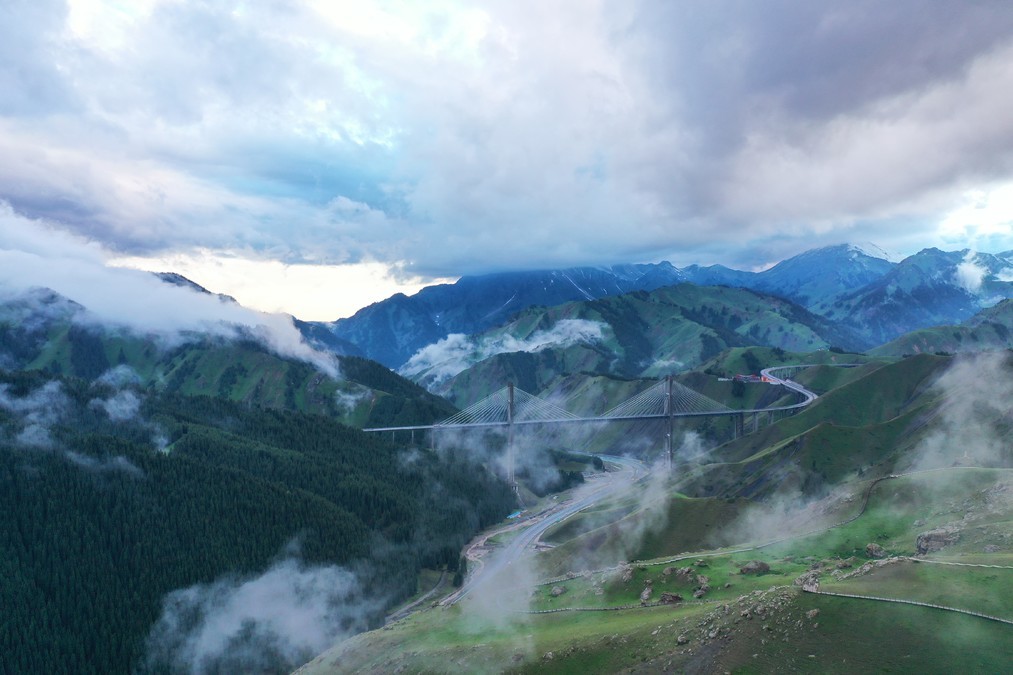
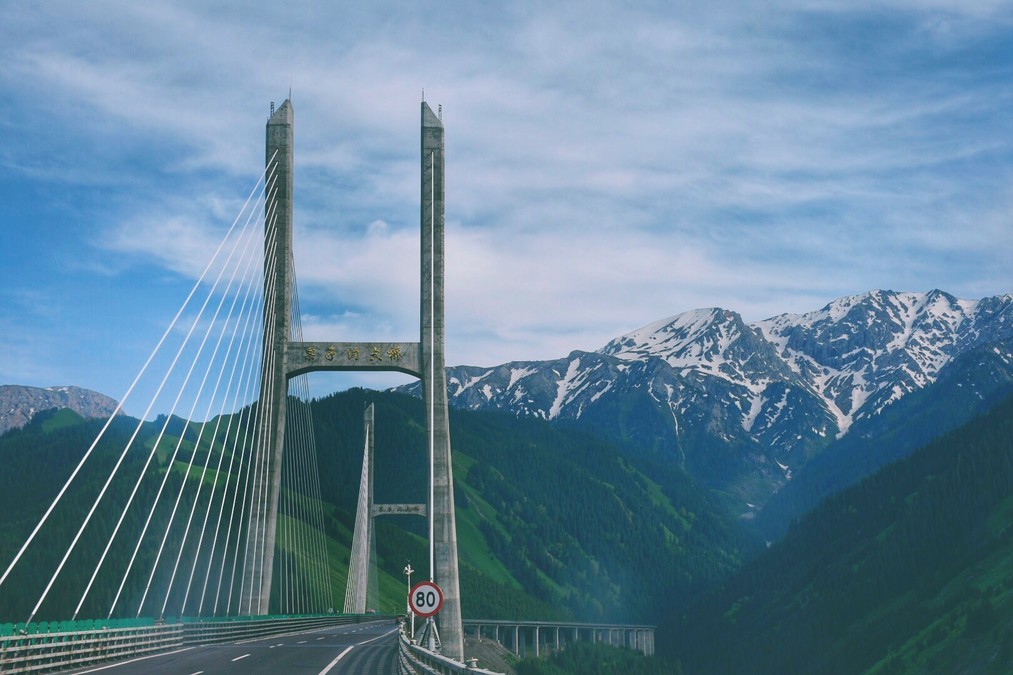
From Sailimu Lake to the Qingshui River, you will pass through the Guozigou Bridge. This bridge spans the valley, turning the natural moat on both sides of Guozigou into a passageway. The bridge body is designed with a cable-stayed cable, and the silver-white steel cables and tower pillars are contrasted with the surrounding green mountains and blue sky, forming a very visual impact picture scroll. Standing on the bridge, overlooking the deep Guozigou, the mountain stream is gurgling, the trees on both sides are lush, and the scenery of the four seasons is different. There are flowers dotting the valley in spring, shade shielding the sun in summer, red leaves dancing in the mountains in autumn, and snow covering the vast expanse in winter. Driving through the Guozigou Bridge, you can not only feel the majesty of modern engineering, but also have a panoramic view of the magnificent scenery of Guozigou.



Day 5: Exploring the beauty of humanity and nature in Yili
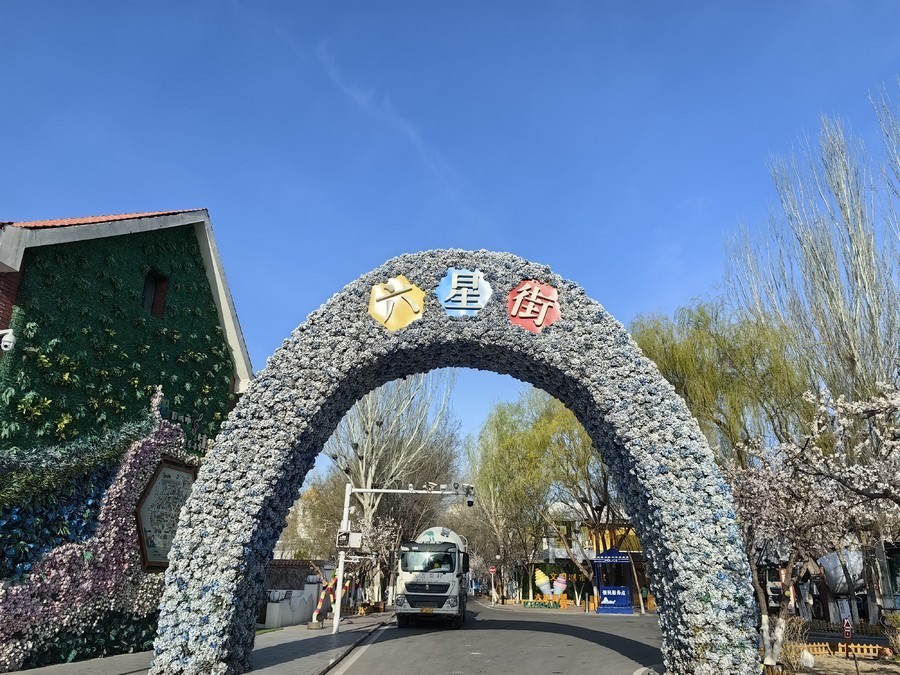
Starting from the Qingshui River, we first come to Yining Liuxing Street. "Is there still the sound of Bayan piano in Liuxing Street? 🍞 Is Aleksandr's bakery Leba out of the oven?" Let's go and have a look!
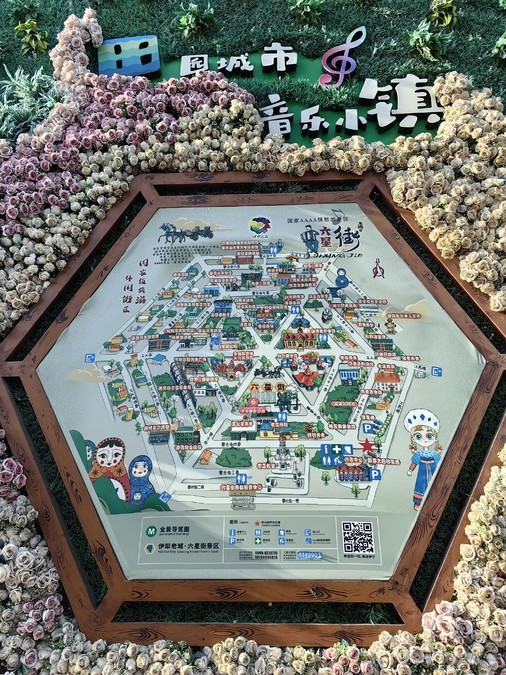
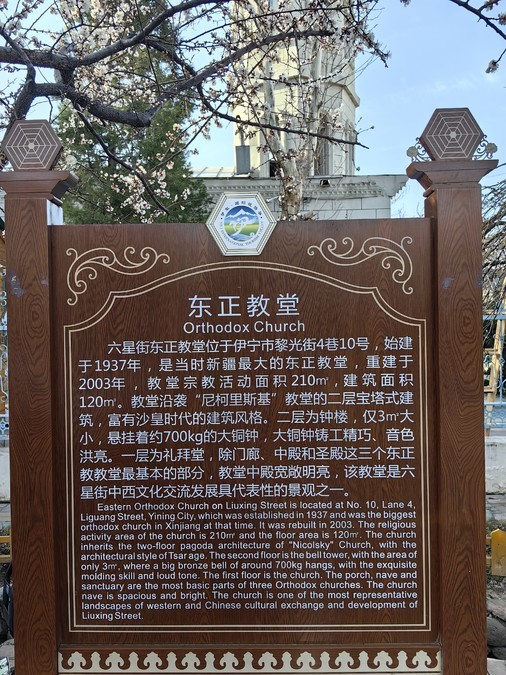
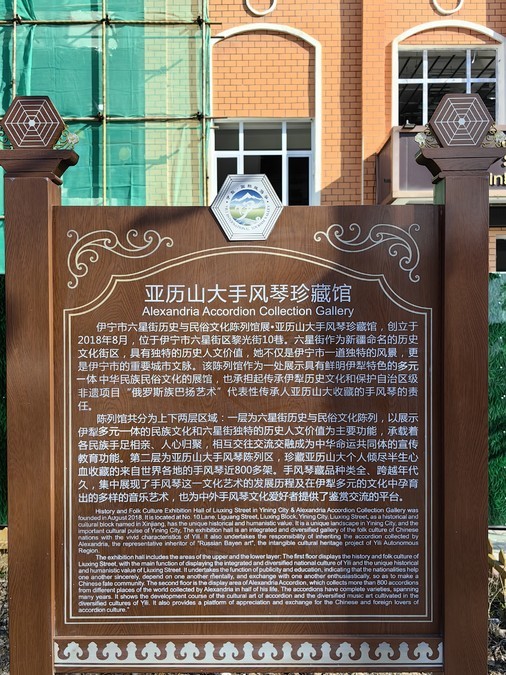
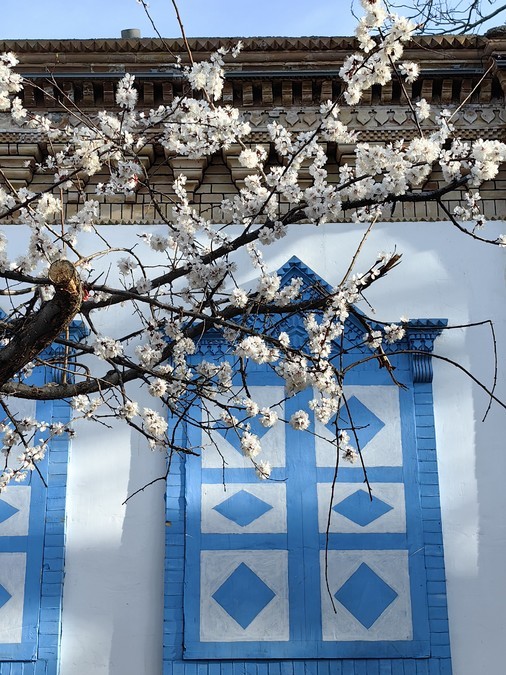
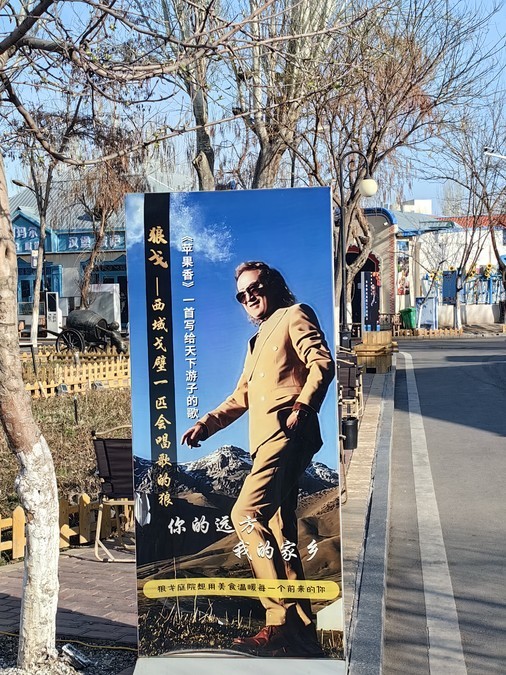
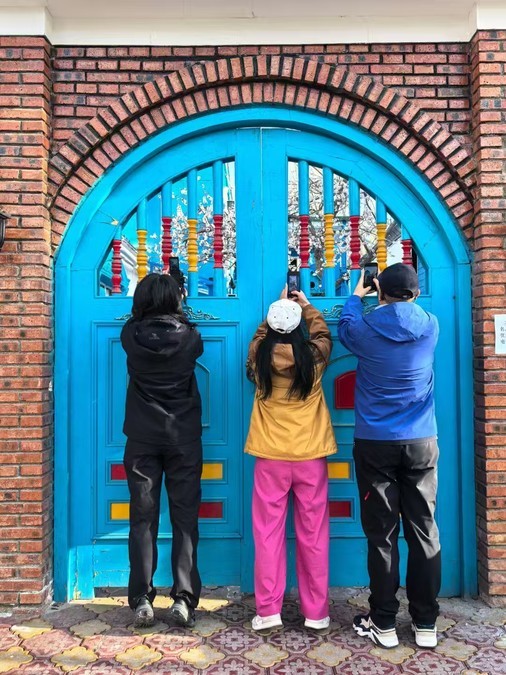
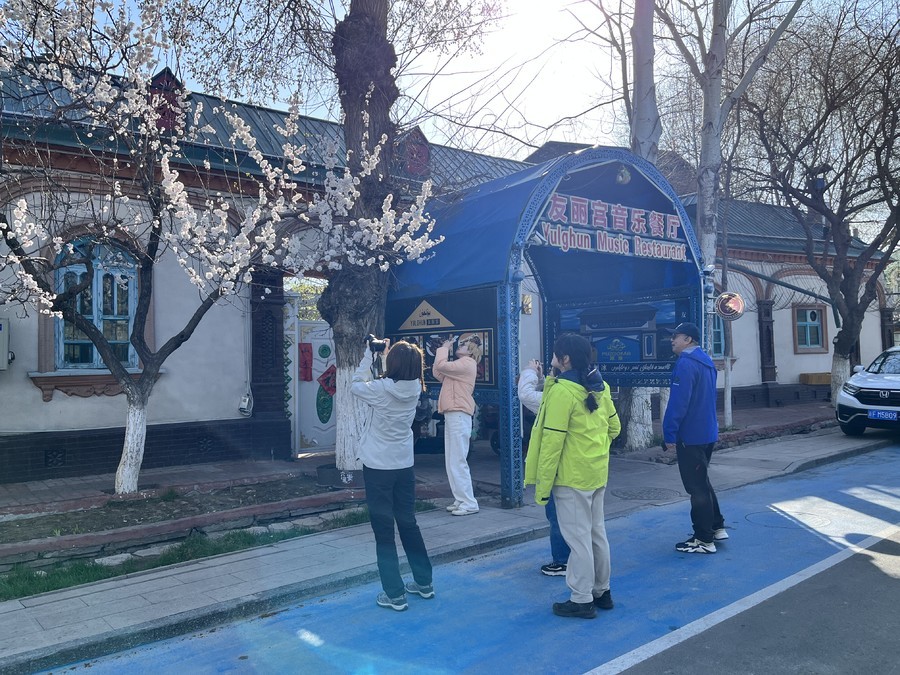
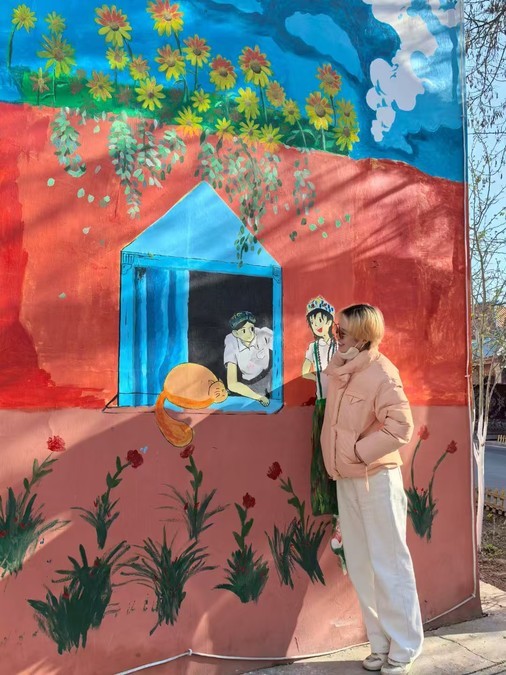
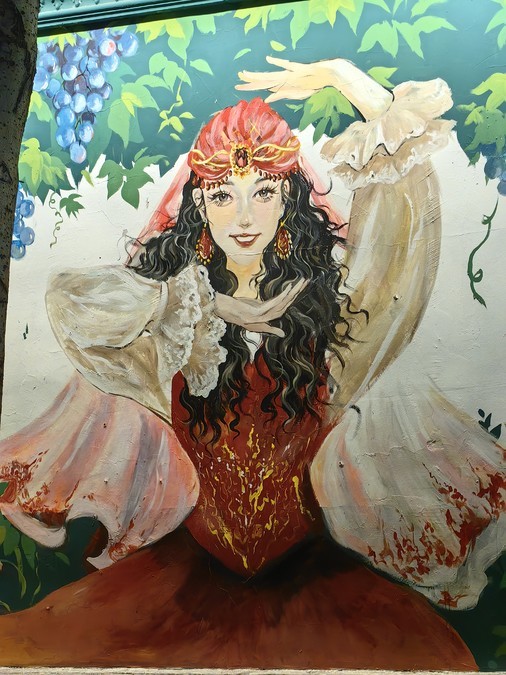
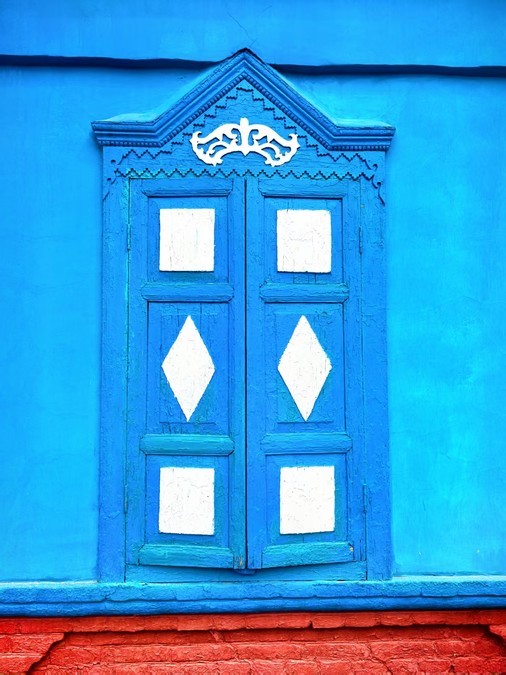
Liuxing Street is a place full of cultural charm. Its unique hexagonal street layout was planned and designed by the German engineer Vasli in the 1930s. The architectural styles on both sides of the street are diverse, including Russian style, Uyghur style, etc., and the colors are bright and exotic. At ten o'clock in the morning, there are not many pedestrians on the street, there are few shops on the street, and the light is still soft. The exotic buildings on both sides of the street are contrasted with apricot flowers, which is very suitable for taking pictures at the clock.
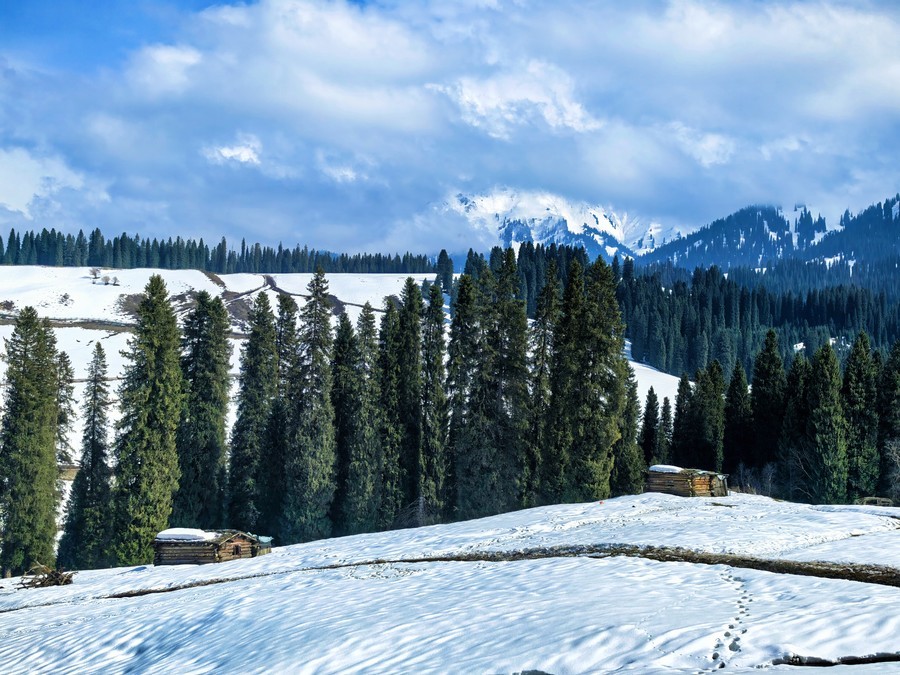
In the afternoon, we will go to Kudenin. Kudenin is a nature reserve in the Tianshan Mountains. At this time, the ice and snow have not yet completely melted, and the top of the mountain is still covered with snow, but there are top ice flowers breaking through the ice at the foot of the mountain. The top ice flowers, also known as Fushou flowers, are not afraid of the cold and bloom in the ice and snow. The flowers are small and exquisite, with bright colors, as if they were sent by nature, adding a touch of life to this ice and snow world. We approached the flowers carefully and recorded their beauty with our cameras. In the forest, the clear streams flowed and the trees were lush. We strolled through them, breathing in the fresh air and feeling the tranquility and healing of nature.


Day 6: The different style of the apricot flower ditch and the sky grassland
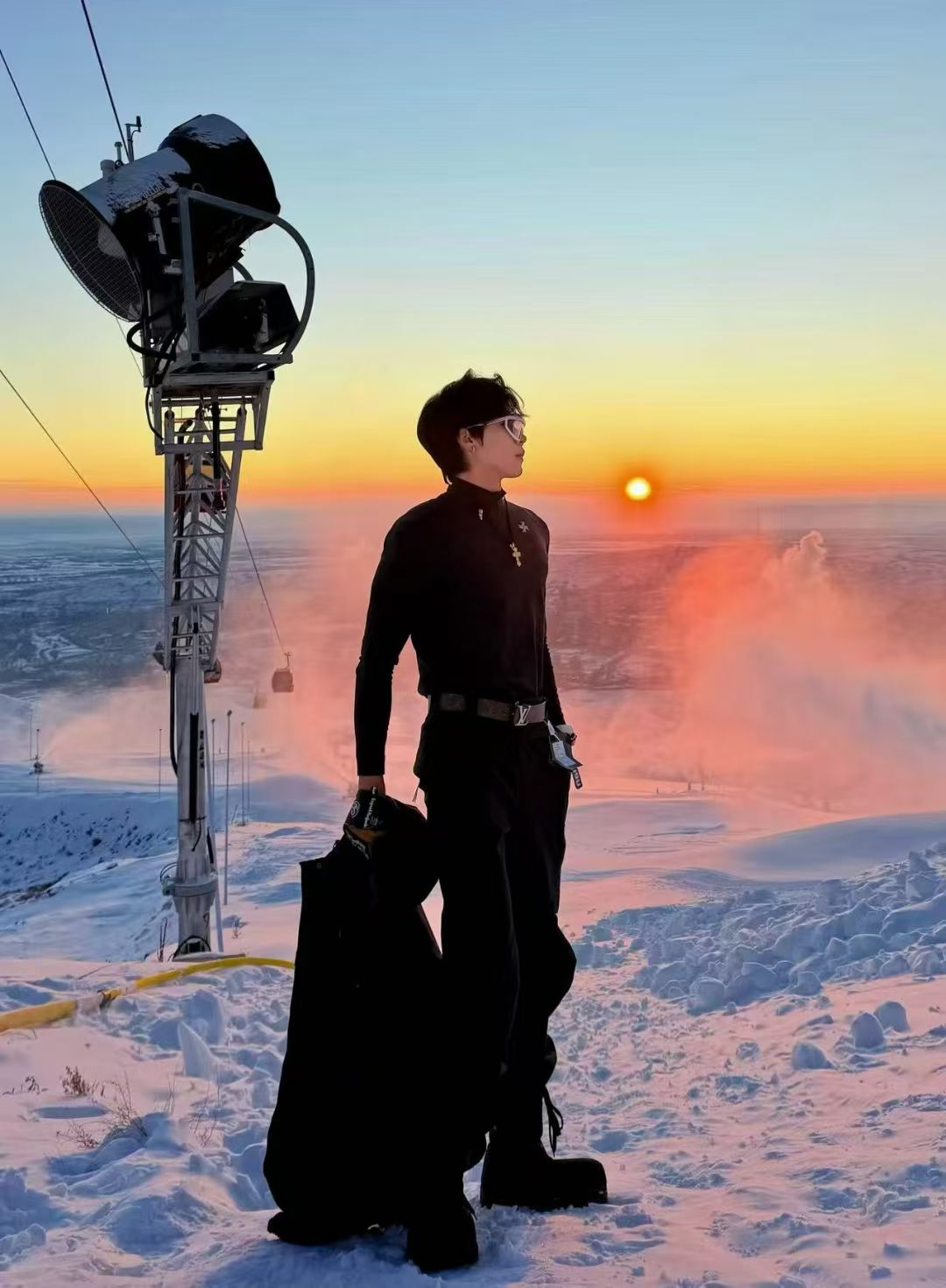
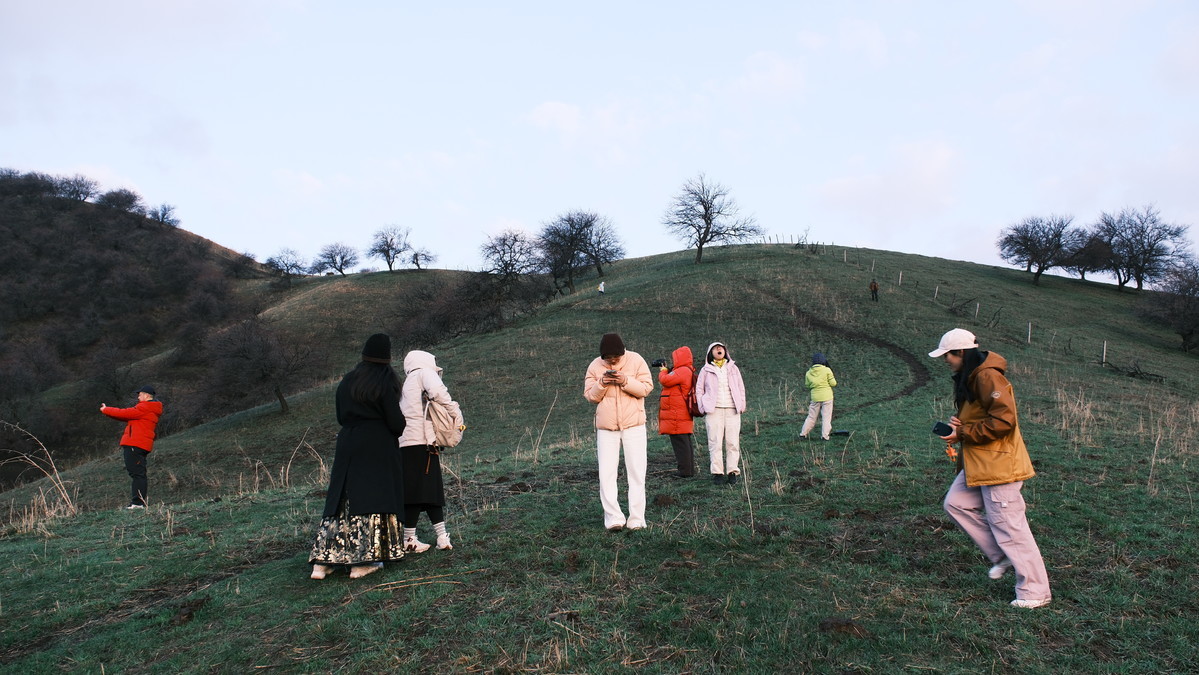
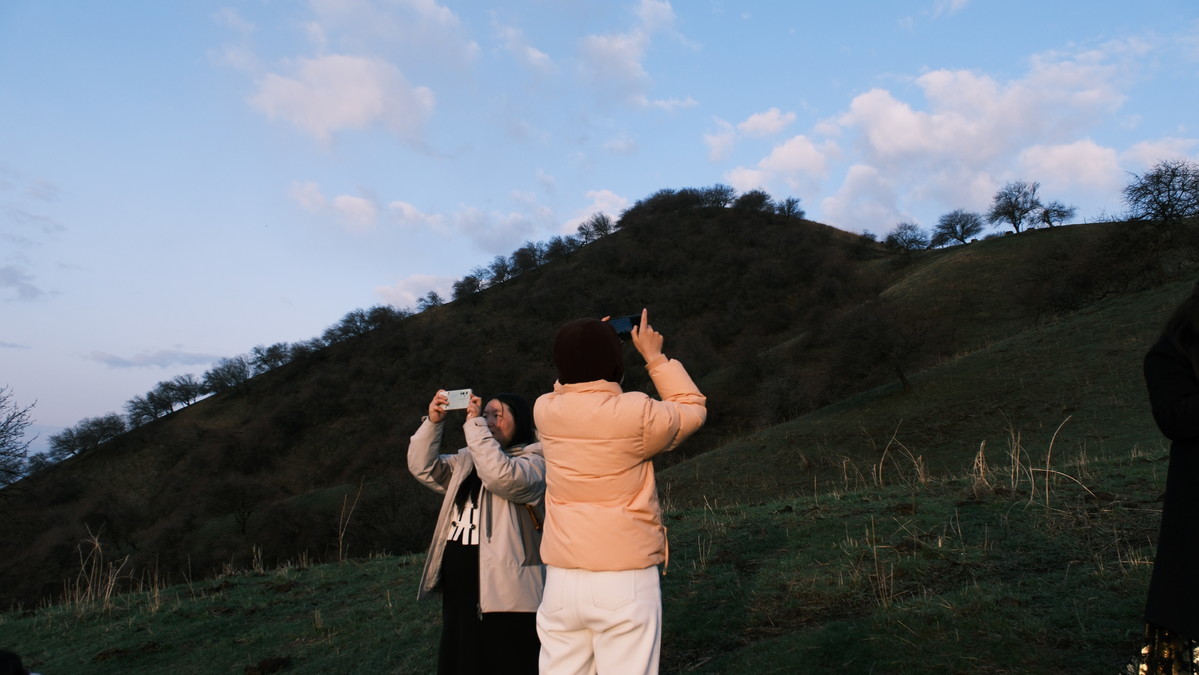
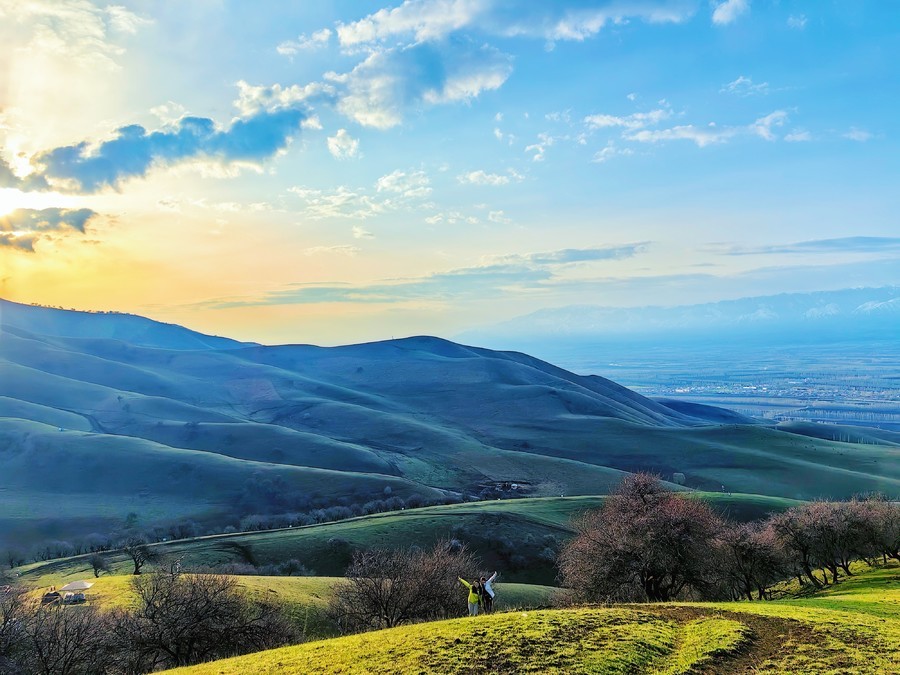
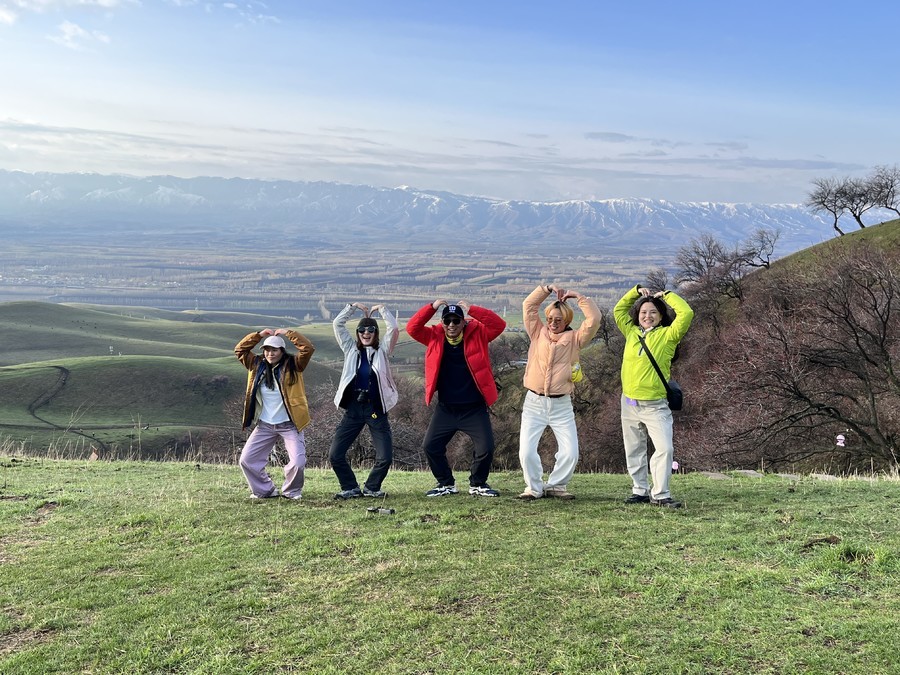
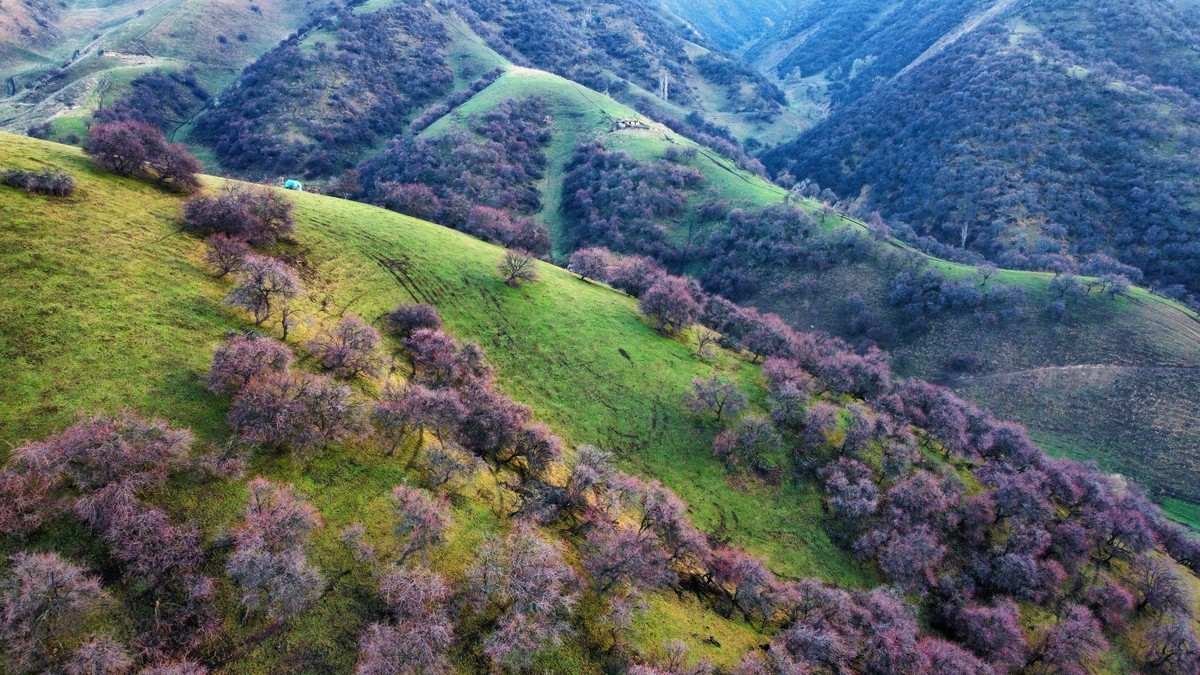
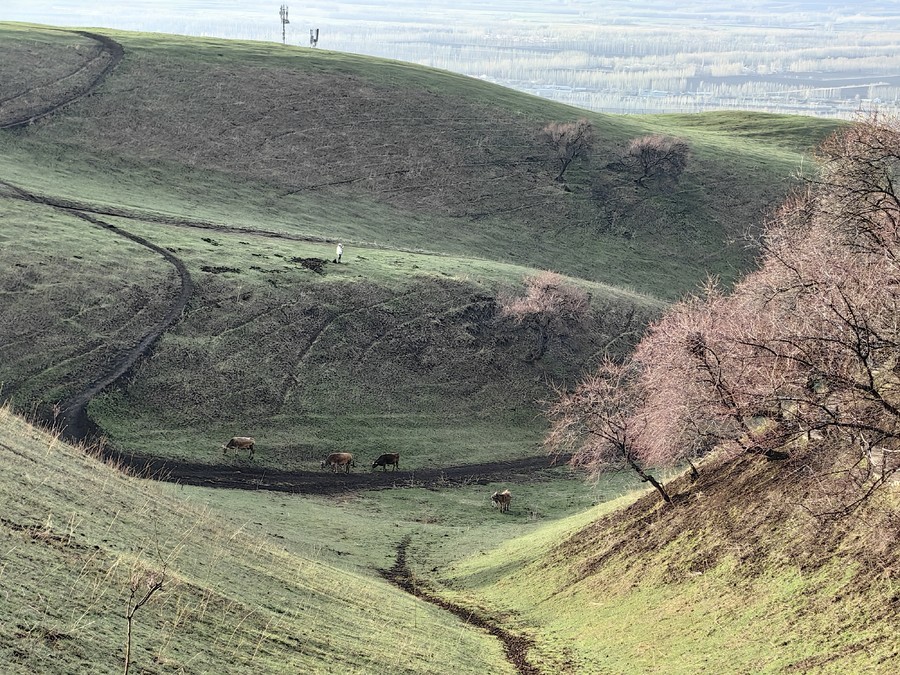
I originally expected to see the apricot flowers blooming all over the mountains and plains in the Turgen apricot flower ditch, but unfortunately the flower period has not yet arrived, and the apricot buds are still sleeping on the branches. But we were not disappointed by this, and instead harvested a beautiful sunrise. The grassland before dawn was wrapped in cold air. Everyone wrapped in thick clothes and climbed to the heights in the dim light, quietly waiting for the sun to rise. When the first ray of morning light penetrated the clouds and sprinkled on the earth, the whole world was instantly dyed with gold. The mountains in the distance and the grass nearby were bathed in this warm sunshine, which was so beautiful that it was suffocating. Everyone took out their mobile phones and cameras to record this unforgettable moment, exclamations and cheers one after another.
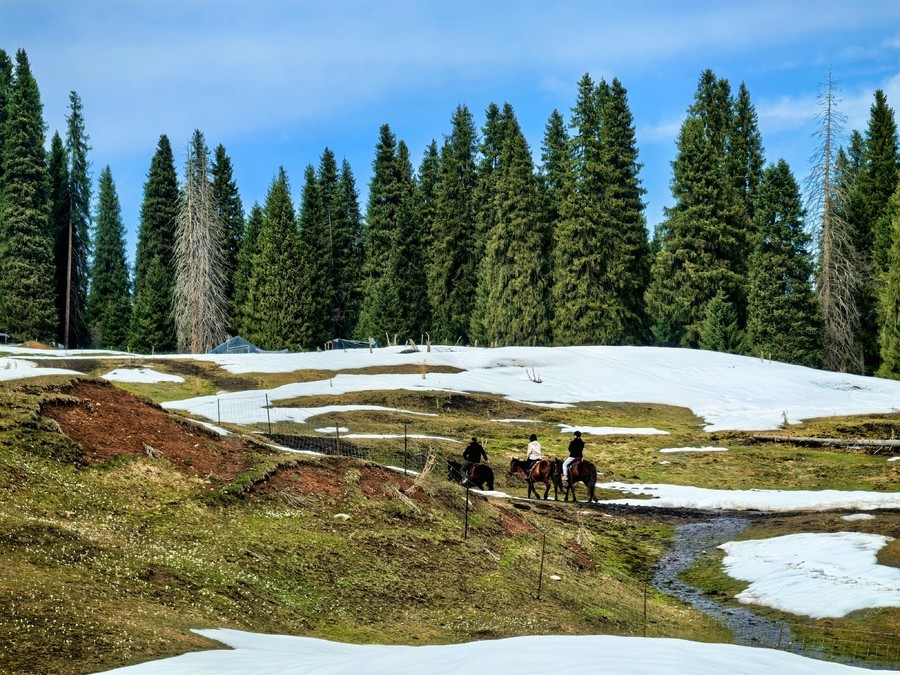
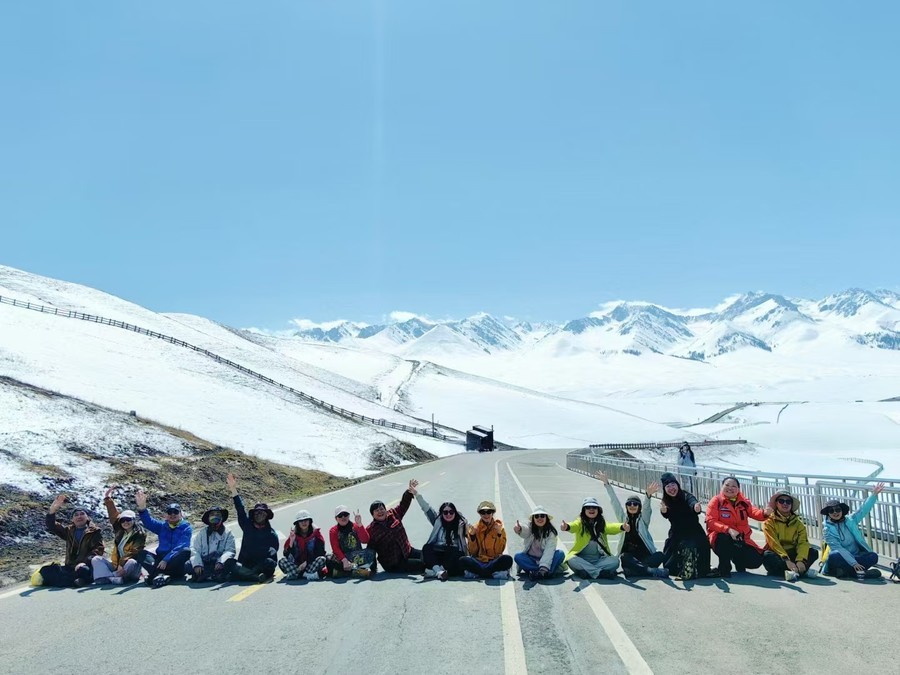
Then, we went to the sky grassland of Narati. Narati means "the place where the sun is first seen". At this time, in the grassland in the sky, the snow has not completely melted, and the green grass buds have quietly grown under the snow layer. The horses are pacing leisurely on the grassland, and their figures add a bit of agility to this vast snowfield. I wonder if there are also beekeepers in a corner at this moment, waiting for the arrival of spring. We strolled around the edge of the snowfield, feeling its vastness and magnificence. Although we couldn't go deep into it, this unique scenery has satisfied us.
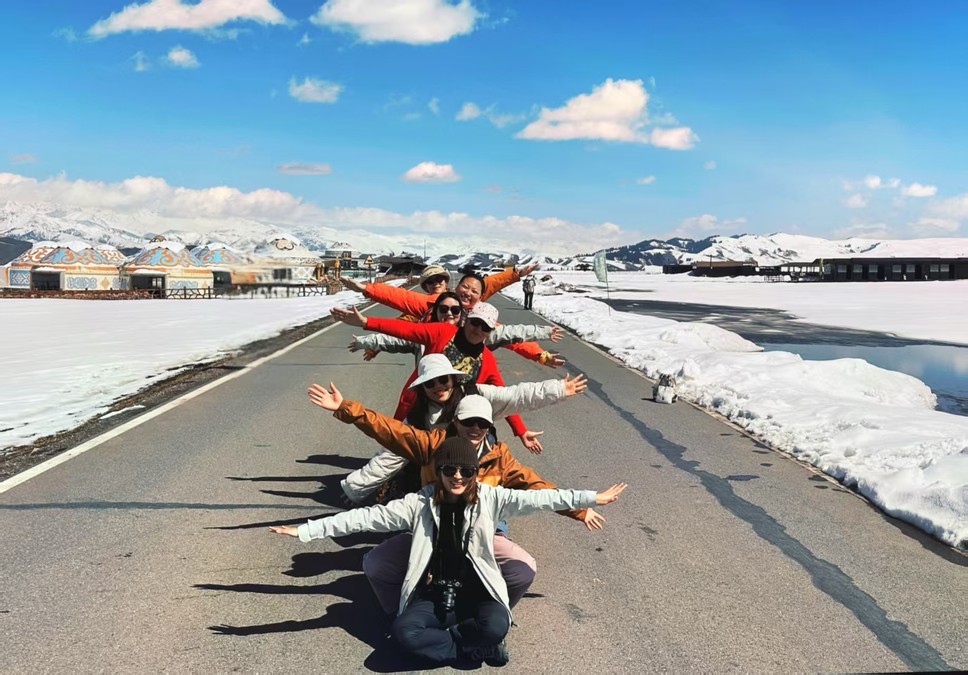
"Everyone is the protagonist of their own life." In this vast world, we have all become the protagonists of the story, writing a unique and wonderful chapter.


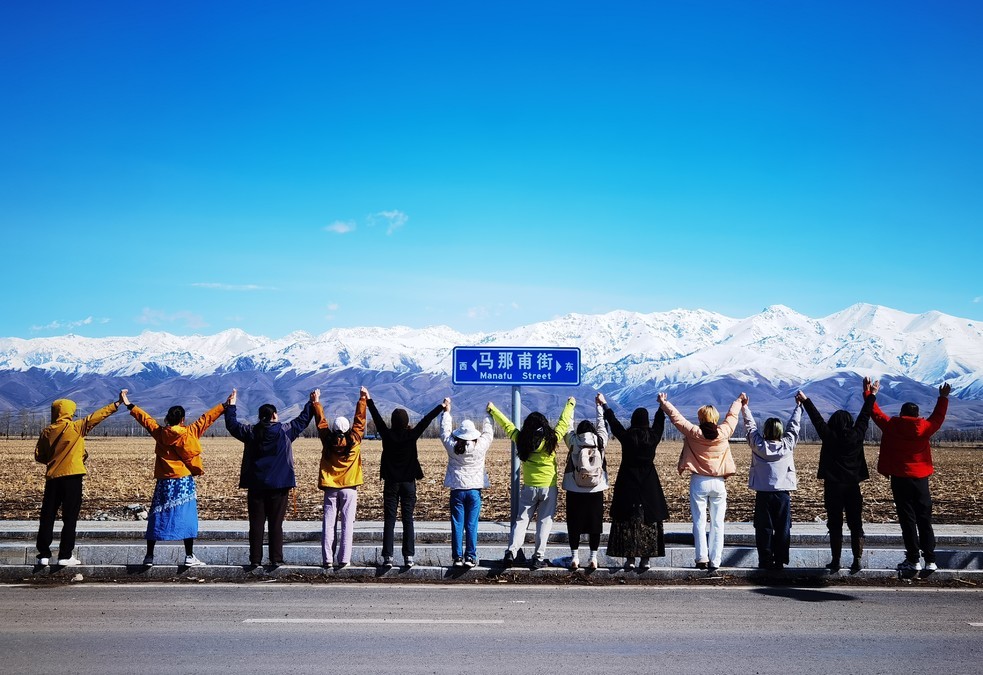
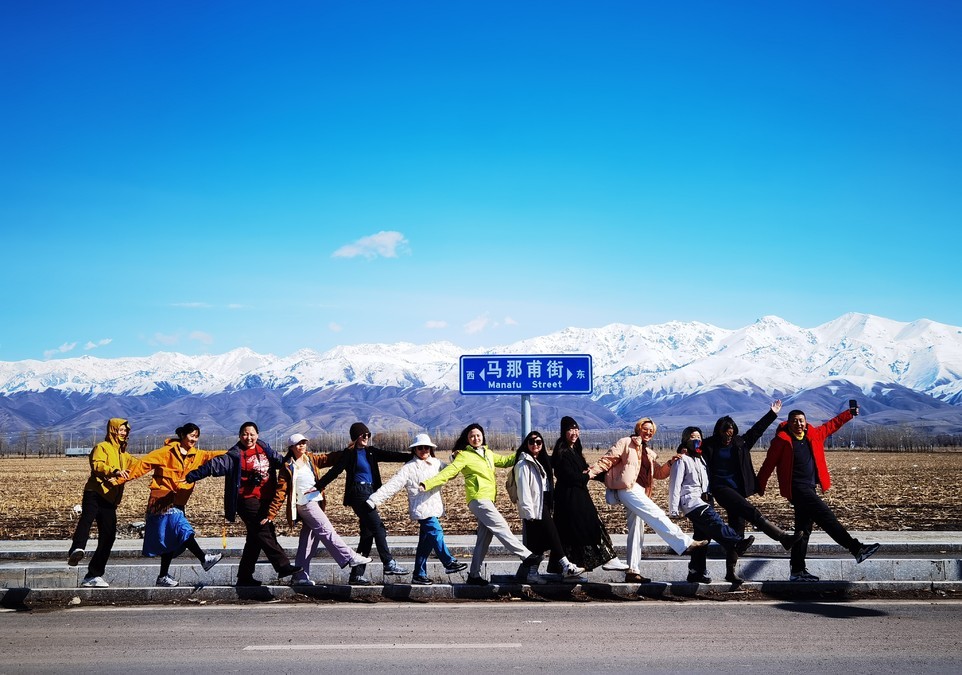
Day 7: Walking in Yining, Begonia Road ・ Xinghua Language
During the Qingming holiday, it just happened to be another day of deep play in the downtown area of Yining.
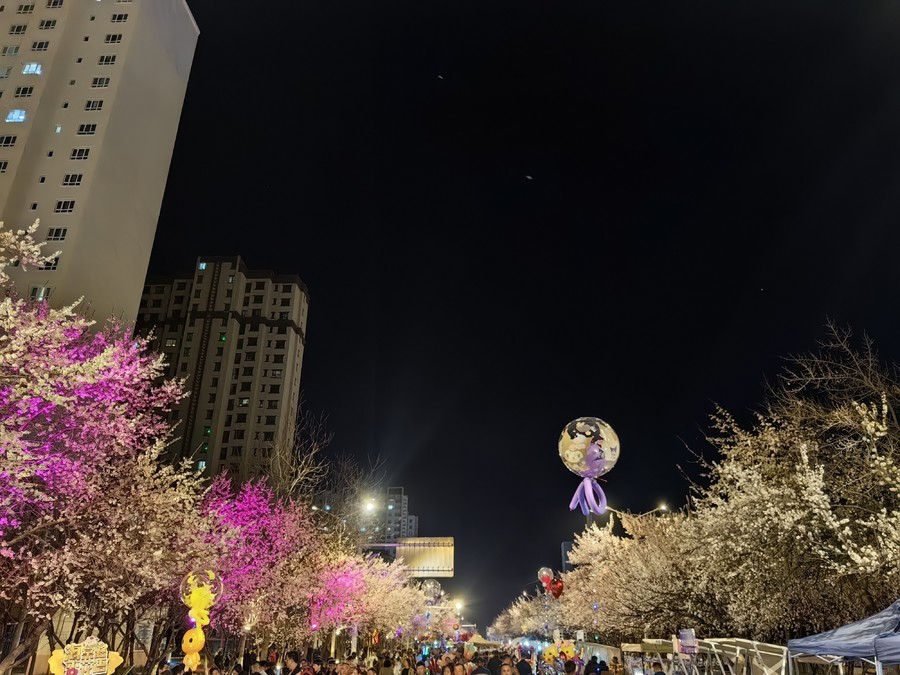
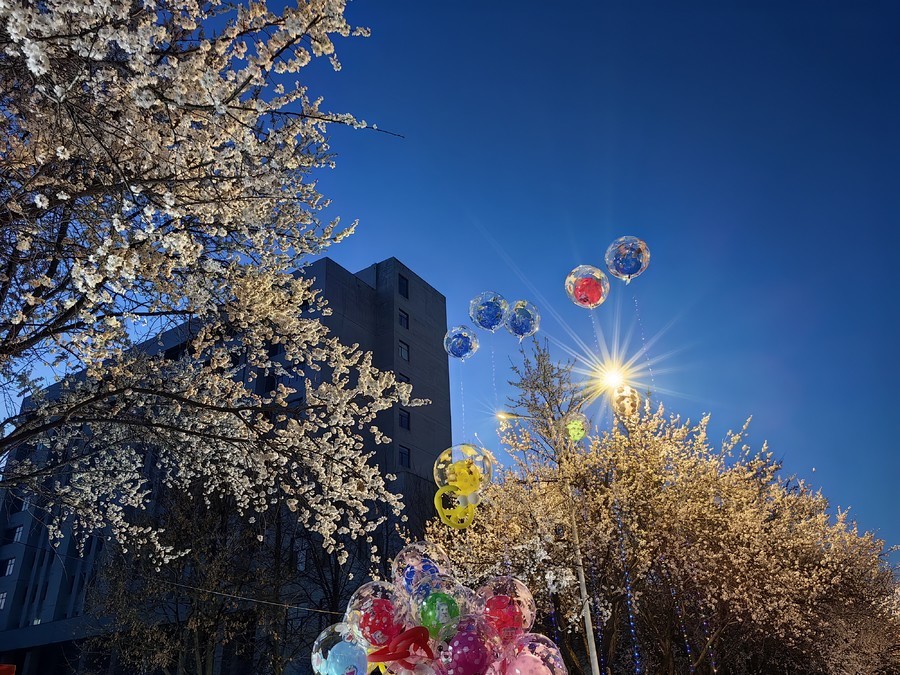
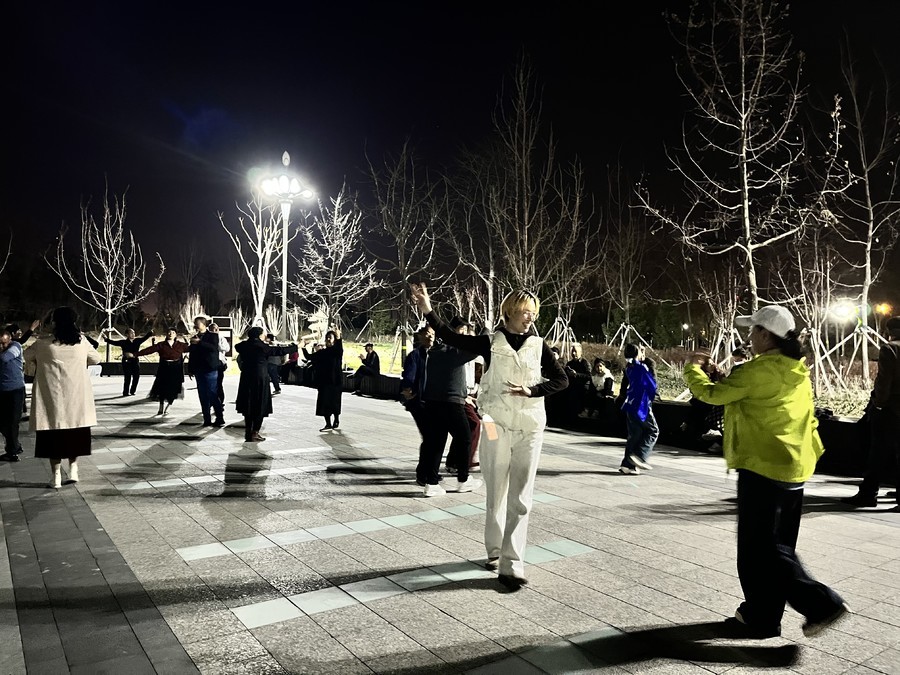
Begonia Road's apricot flowers are in full bloom, the whole street has been turned into a grand spring market, and there are many special stalls on the roadside. We went shopping the night before, and the next day, and it was found that the sun was too much during the day and it was not as good as night. When we went to Apple Park at the end, we could also meet locals dancing Xinjiang Square Dance. The warm atmosphere made people want to dance together. At first, I was a little shy. After being held by my enthusiastic aunt for two turns, I soon joined the national carnival!
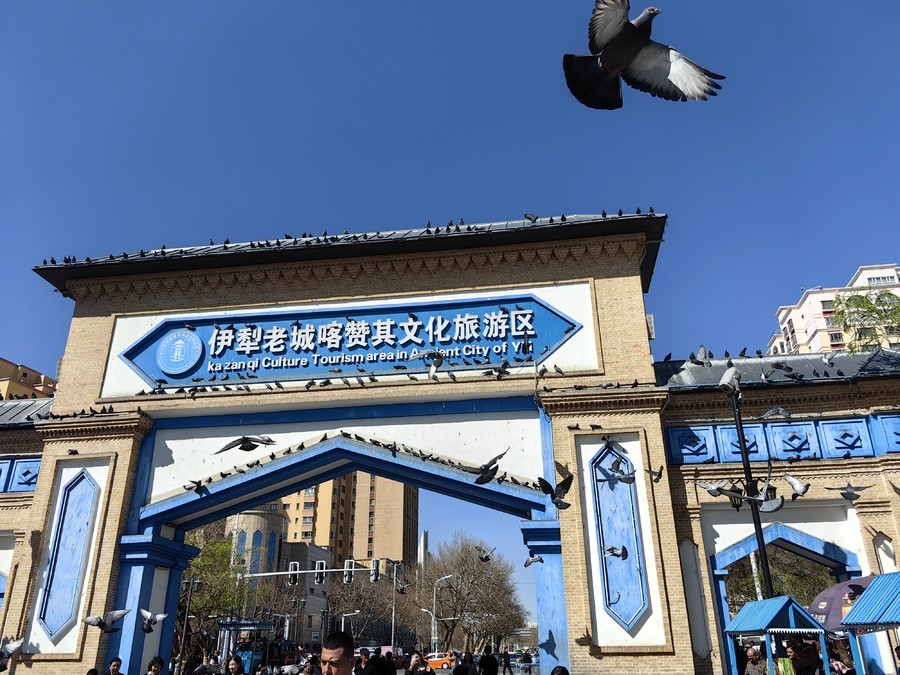
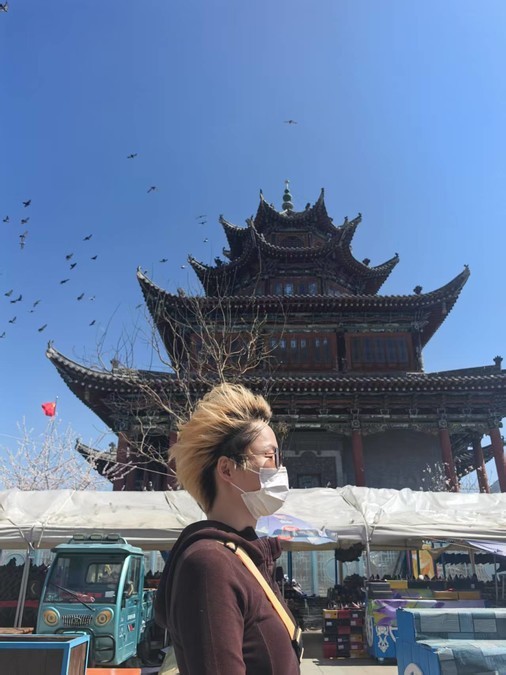
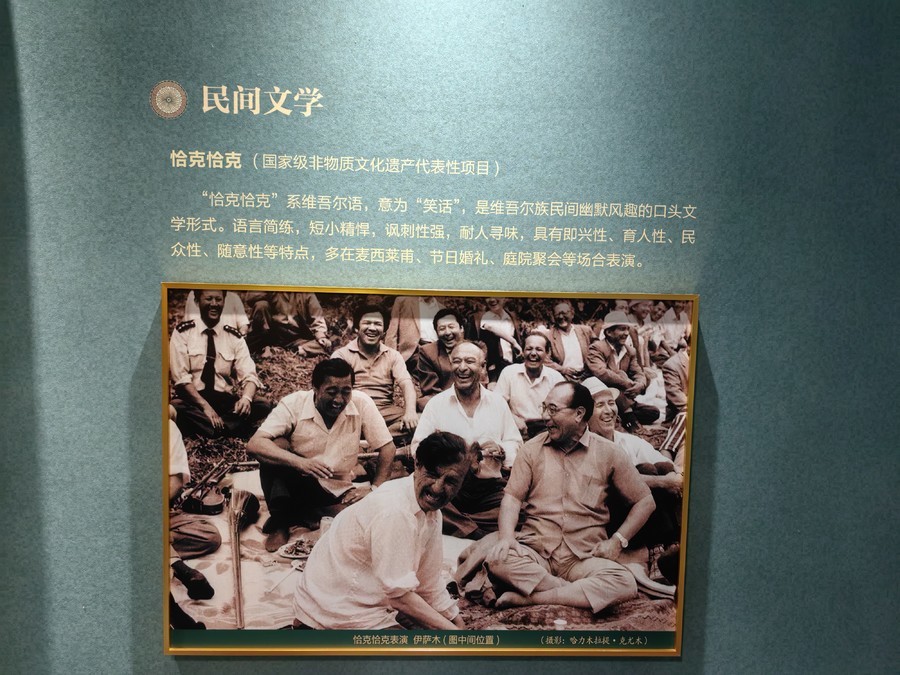
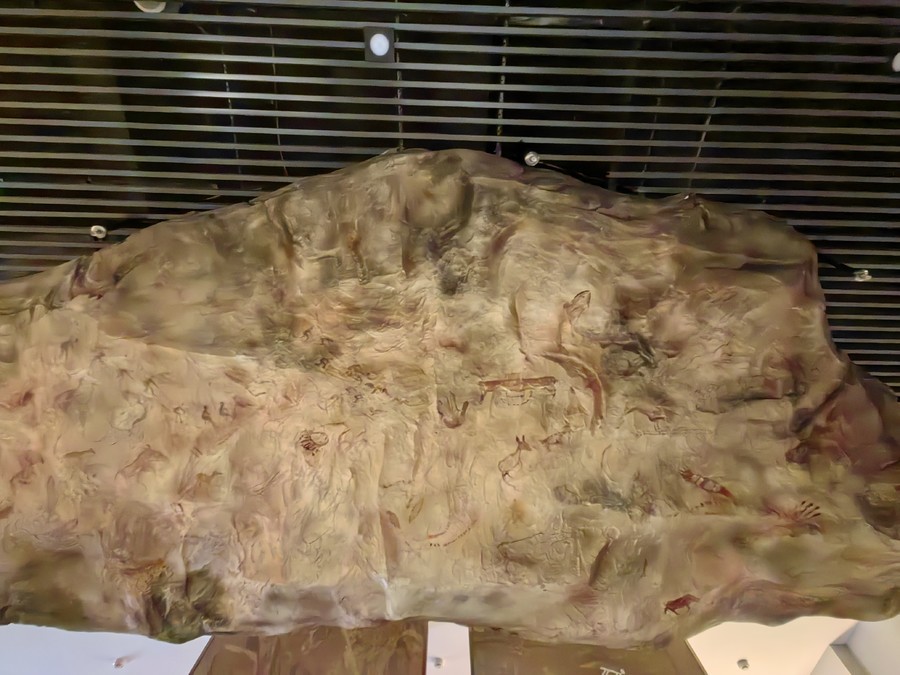
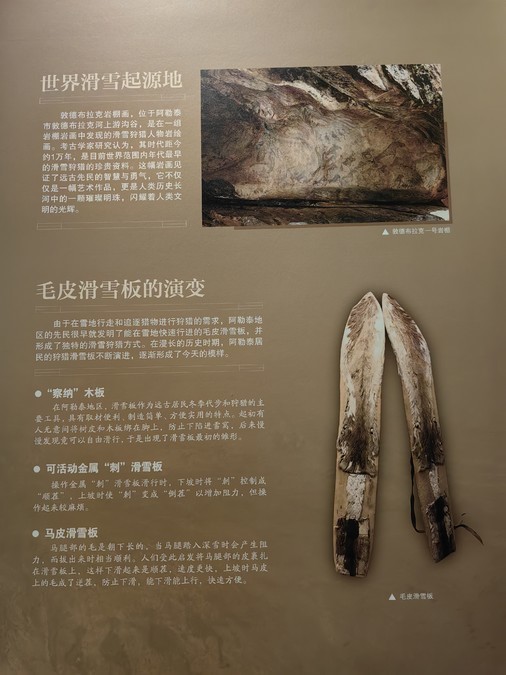
From dawn to dark, we shuttled through the streets and alleys of Yining, from Kazanqi to museums, from Xinghua language to the Yili River. Kazanqi is full of rich ethnic customs, colorful houses and warm and hospitable residents, all of which made us feel the unique charm of Yining; in the museum, each cultural relic tells the history and culture of the city.
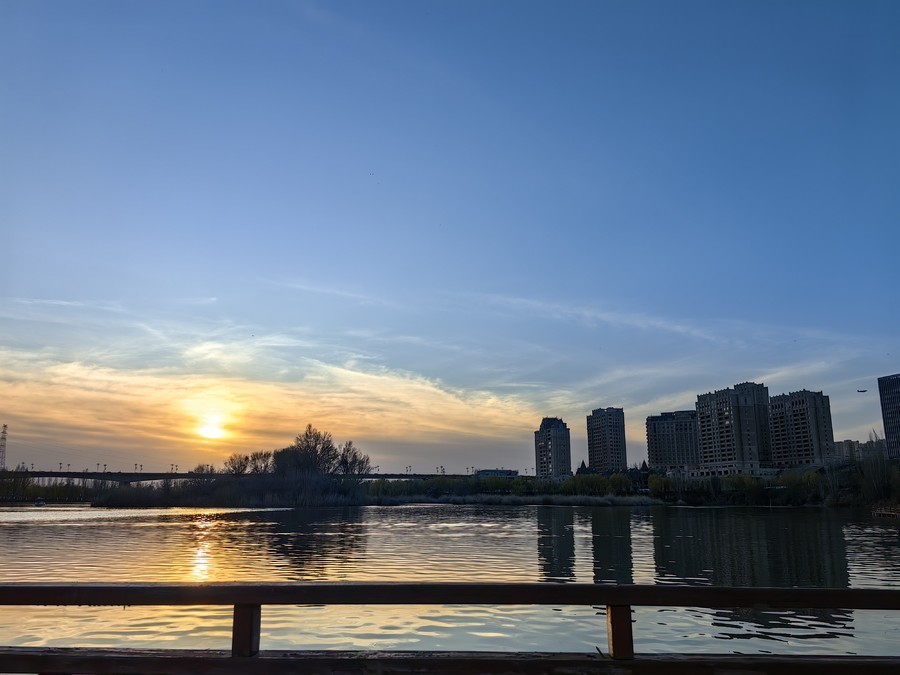
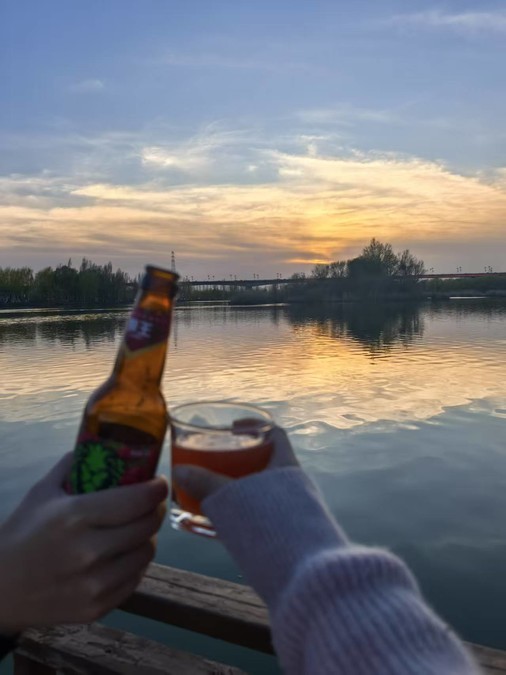
In the evening, we came to the banks of the Ili River. The sun gradually set in the west, the sky gradually darkened, the sunset dyed the river water honey, and the homing waterbirds glided against the river surface, bringing up the fine golden light. The Ili River was sparkling under the setting sun, and we sat quietly by the river, waiting for a full eight-minute sunset.
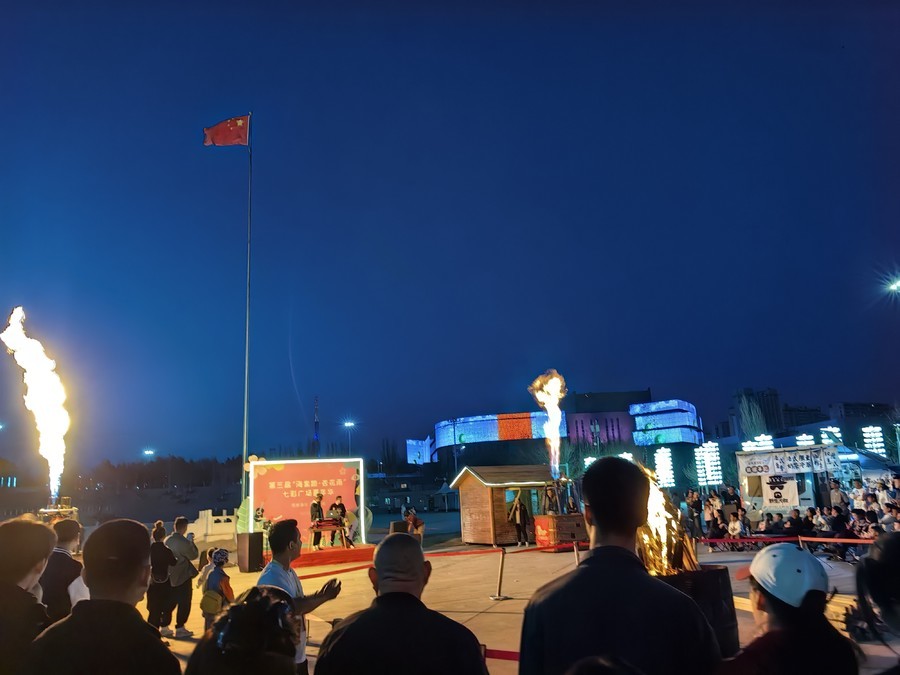
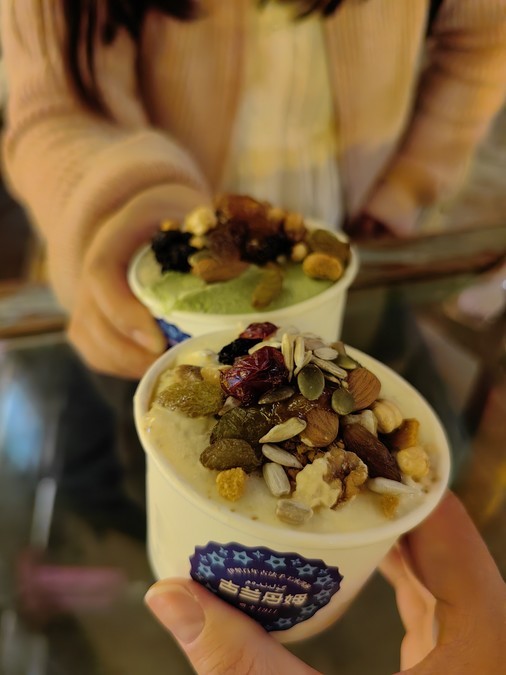
As night fell, a campfire was lit in the square, and rhythmic music was played. Everyone held hands and sang and danced around the campfire. Songs and laughter echoed in the night sky, and all troubles disappeared at this moment. After the carnival, even if you are in line for a taxi, you have to try the Gulandam ice cream. The ice cream has a dense taste and a full milk aroma. The combination of various nuts and dried fruits enriches the taste. The sweet taste spreads on the tip of the tongue, drawing a perfect end to this spring trip to Yining.




Day 8: Return, with memories and expectations
Yining transits to Chengdu Tianfu and finally returns to Hangzhou.
This journey, from "Huozhou" Turpan to the blue ice of Sailimu Lake, from the humanistic atmosphere of Liuxing Street to the grassland snowfields of Nalati, we laughed together, marveled together, and went crazy together. Exploring the ice, snow and flowers all the way, from the city to the desert, from the canyon to the grassland, from the humanistic atmosphere to the natural landscape, this is not only a physical journey, but also a spiritual healing journey, allowing us "cattle and horses" migrant workers to completely lose the "taste of class" and find inner freedom and peace.
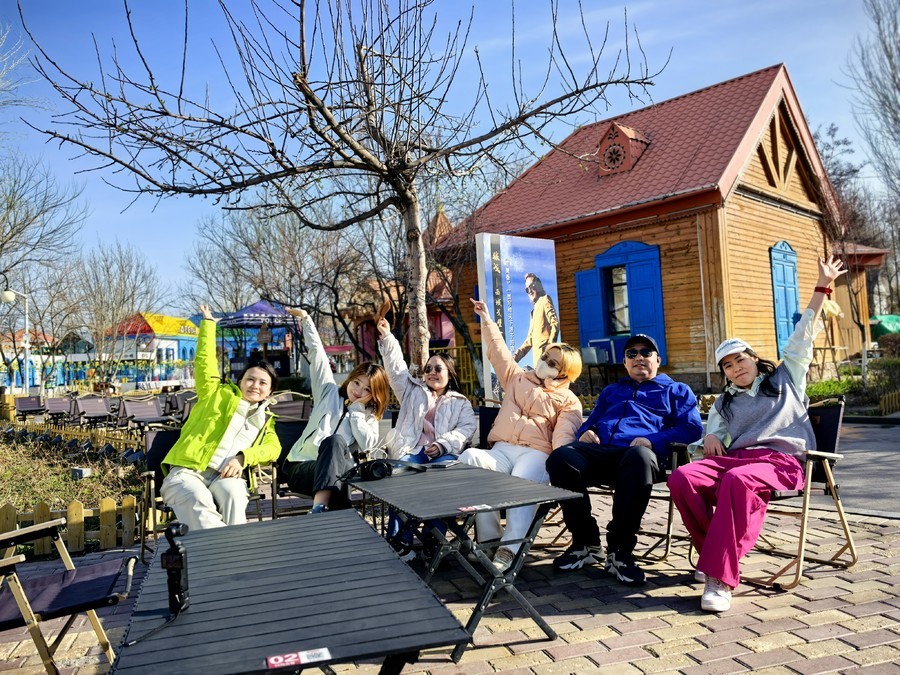
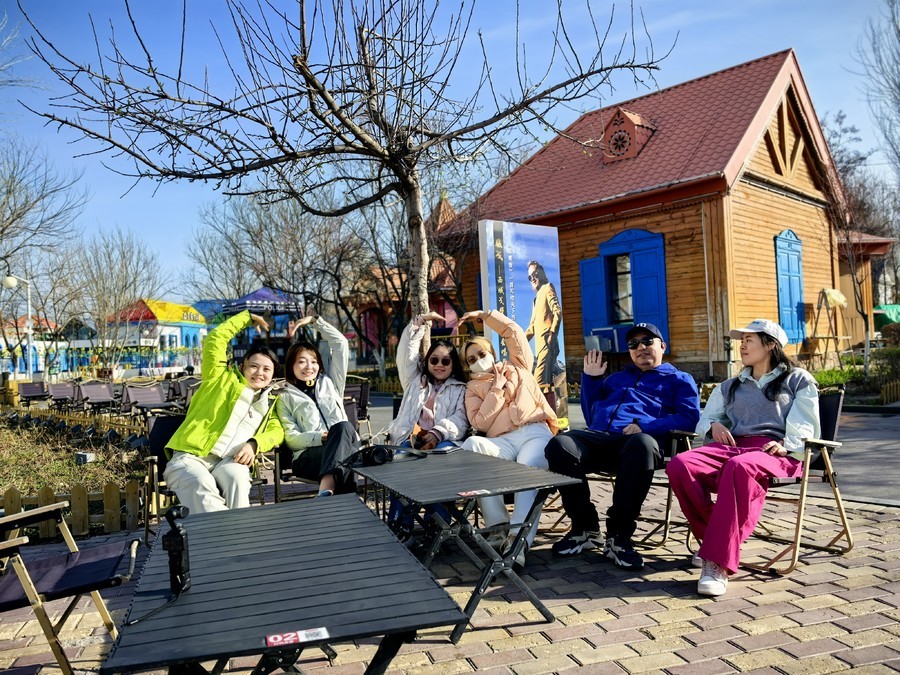
The suitcase is still stained with sand grains from Xinjiang, and the camera is full of funny group photos with group friends. In my heart, I have already begun to look forward to the next date with freedom. "The answer is on the road, freedom is in the wind". In the future, we will continue to go to the next mountain and sea with this love.